Often no. Albuquerque, the Louisville Dog Run Association, Nixa, San Dimas, Odessa, Wake Forest, and Los Angeles at Runyon Canyon all ban food or treats inside the off-leash fence, and Los Angeles prints the reason: food may lead to aggression. Some other parks do not use that sentence. The rule is the sign at the park you are entering, not a national yes or a national no.
In this guide
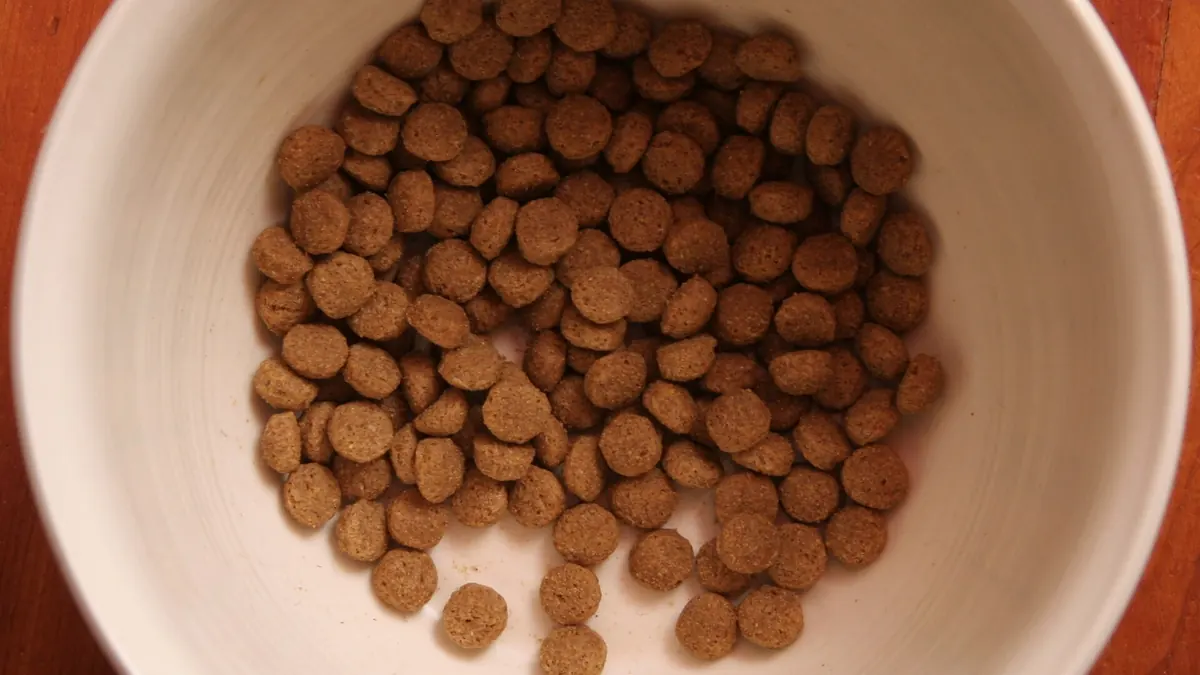
A pocket full of training treats is how obedient people break the rule without thinking. The treat is still food. If the page says no food, the training kibble counts. Practice the cue in the parking lot, before the gate, or skip the cue that needs a lure until you are home.
What do the written rules say?
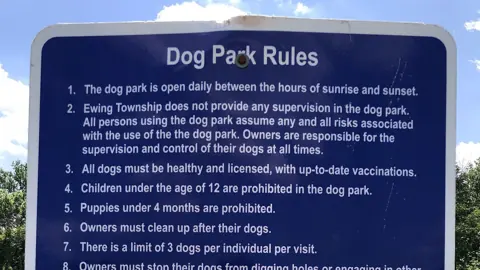
These lines were on the official pages when we read them. A park can amend a PDF. The sign posted this morning wins if it is stricter or newer. The pattern is common enough that "I always bring treats" is not a defense.
| Park or city | The line they printed |
|---|---|
| Albuquerque dog parks | No food or drinks allowed within the fenced area. |
| Louisville Dog Run Association | No food, glass containers, or smoking inside the dog park. |
| Nixa, Missouri | No food, treats, or drinks inside the park, and a second line against food, bones, rawhides, or other pet treats. |
| Wake Forest, North Carolina, Flaherty dog park | No food, whether for animals or people, and no treats or bones inside the fence. The page also says wrappers can be eaten. |
| San Dimas, California | No food or treats of any kind, dog or human. |
| Odessa, Texas | No food or treats for dogs or people in the off-leash area. |
| Runyon Canyon, Los Angeles | Absolutely no food or treats inside the park. The presence of food may lead to aggression. |
Los Angeles states the reason in the rule: food may lead to aggression. The other cities often skip the essay and just ban the item. You do not need the essay to follow the ban. You do need it to understand why a "high value" chew in a crowd is a bad idea even at a park that forgot to write the sentence. One dog guarding a fist of liver treats is a fight other handlers did not agree to join.
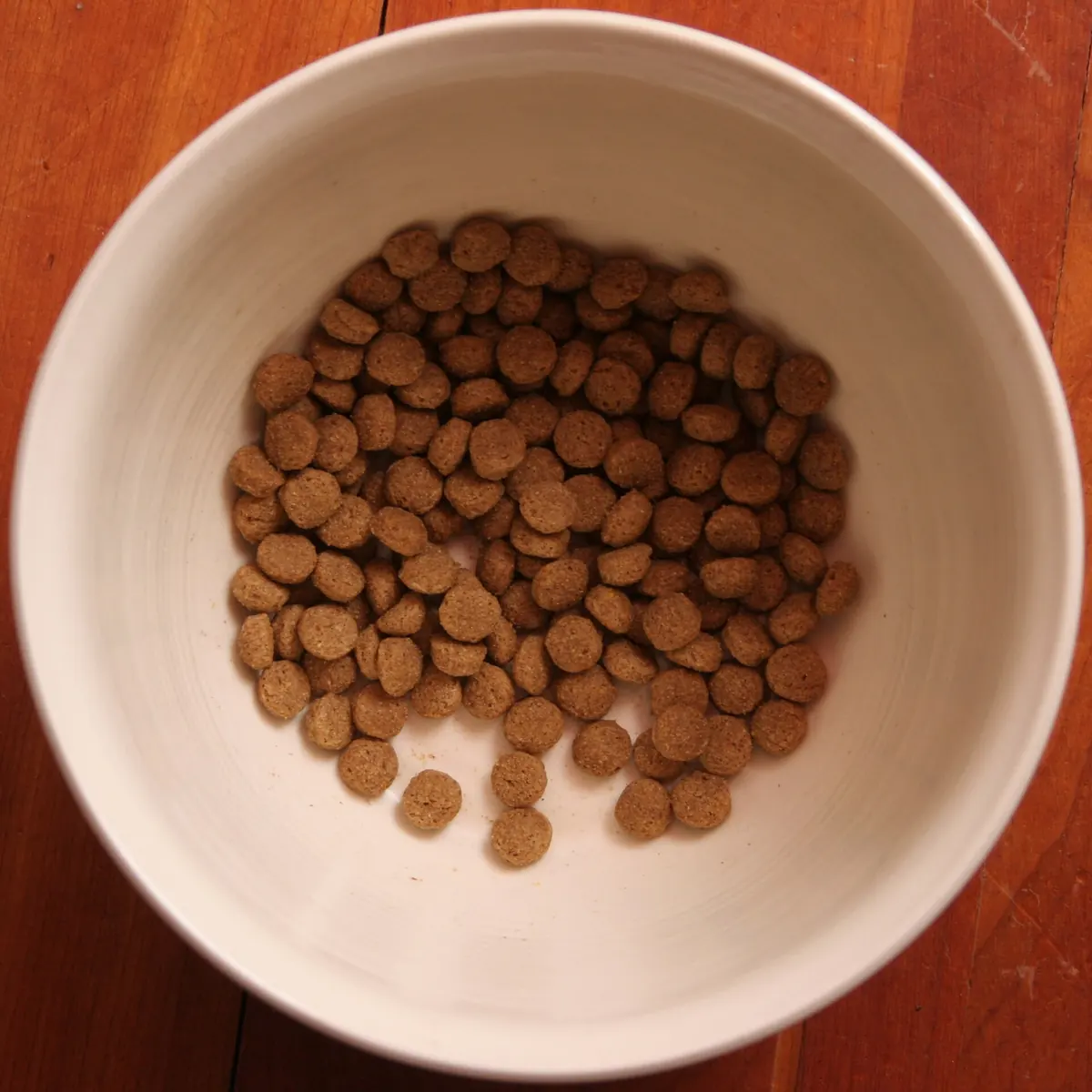
Why is a crowd the wrong place for a food reward?
The ASPCA's food-guarding page describes what a dog can look like around a valued item: standing stiff over it, gulping, freezing, growling, staring, snapping, snarling, or chasing people off. The page's drills for that problem are staged at home, and it says to stop and call a qualified behavior professional if you see those signs. A public dog park is not the living room in that protocol. You cannot control the other dogs, you cannot control the other hands, and several cities have already removed the food so you do not have to run the experiment. If your dog needs a treat to cope with the park, the park is too much for today. Readiness is the prior question. Leaving early is the tool you have once you are there.
People food is the same ban in the cities that say "no food" without limiting it to dog food. San Dimas and Odessa and Wake Forest say the human snack counts. A latte, a protein bar, and a child's crackers are food. Eat them outside the fence. Wake Forest's extra sentence is that wrappers get eaten. Pockets get picked by dogs who are better at zippers than you think. Empty the pocket before the inner gate.
What if the sign does not mention food?
Then this table does not invent a ban for that park. Read the whole rules sheet anyway. Some parks ban food and allow toys. Nixa, for example, bans food and still allows toys unless the toys cause a fight, in which case the toy leaves. A ball and a hot dog are not interchangeable. If the sheet is silent, you still have the ASPCA's description of guarding, and you still have other handlers' dogs. A silent rule is not a recommendation to scatter treats on the ground. Scatter-feeding is a home game on the ASPCA's separation-anxiety page, where the point is a dog alone in your house. Doing it in a dog park pours food into a group. Do not export that tip.
Holiday contests are a special case of the same ban. A sweater contest that awards biscuits inside a no-food fence is already over the line. Give the biscuit in the car. Feeding a dog off the Christmas tree is the house version of teaching a dog that decorations pay. The park version is teaching every dog in the yard that your pocket pays.
- Read the food line before you unclip. "No food" includes treats, chews, and your snack.
- Empty jacket pockets. Wrappers are on Wake Forest's warning list.
- Train with food at home or outside the fence, then use praise or a toy inside if toys are allowed.
- If a dog stiffens over a dropped crumb, leash yours and leave. Do not help "share."
- Do not scatter kibble to "tire them out." That drill is for your house, on the ASPCA page, not for a crowd.
- If your dog needs food to stay under control, skip the park that day.
- Prizes and birthday cupcakes happen outside a fence that bans food.
Picking it up is your job, fast, before another dog finds it. If the scramble has started, you are in the situation Los Angeles named. Leash your dog and get out of the pile. Do not add a second handful to "call them off."
How should you reward a dog on the walk home?
Outside the gate, in the car, or at the house, if you like training with food. The ban is about the shared fence, where you cannot choose the audience. A marker word and a scratch still work inside for a dog who knows them. If they do not, the parking lot is the classroom, one dog, no audience. Leave it is the skill that helps when someone else breaks the rule and drops food. You teach it at home, with food you control, and you use it at the park when a crumb appears. The irony is deliberate: the cue is built with treats so that, in a no-treat park, your dog can walk away from someone else's.
Etiquette guides that tell you to bring treats are incomplete until they add "unless the park forbids food." This one adds it. Albuquerque and Louisville are two places where the addition is not optional. A third city may welcome a training treat. You earn the right to believe that by reading its PDF, not by averaging the table above into a maybe.
Frequently asked questions
Should I bring treats to the dog park?
Not into a fence that bans food. Albuquerque, Louisville's association parks, Nixa, Wake Forest, San Dimas, Odessa, and Runyon Canyon in Los Angeles all print a version of that ban. Los Angeles adds that food may lead to aggression.
Do training treats count?
Yes. They are food. If the sign says no food or no treats, the pouch stays outside.
What about my coffee?
Human food and drinks are named in the San Dimas, Odessa, Wake Forest, Nixa, and Albuquerque lines. Finish them outside.
The sign says nothing about food. May I?
The cities in the table do not control a park that is silent. Guarding is still a risk in a crowd. If you use food, you own the consequences, and you pick it up if you drop it.
My dog guards food. Can I work on that at the park?
No. The ASPCA's guarding exercises are staged at home, and the page says to stop and get a qualified trainer if you see stiffness, freezing, growling, or snapping. A public fence is the wrong room.
Sources: City of Albuquerque dog park rules; Louisville Dog Run Association rules; City of Nixa dog park rules; Town of Wake Forest, Flaherty dog park rules; City of San Dimas dog park rules; City of Odessa parks page, dog park rules; City of Los Angeles Recreation and Parks, Runyon Canyon rules, including the line that food may lead to aggression; ASPCA, Food Guarding, signs around a valued item and the instruction to stop and seek a qualified professional; ASPCA, Separation Anxiety, scatter-feeding described for a dog at home. Rules were current on those pages when read for this guide. Obey the sign if it has changed.