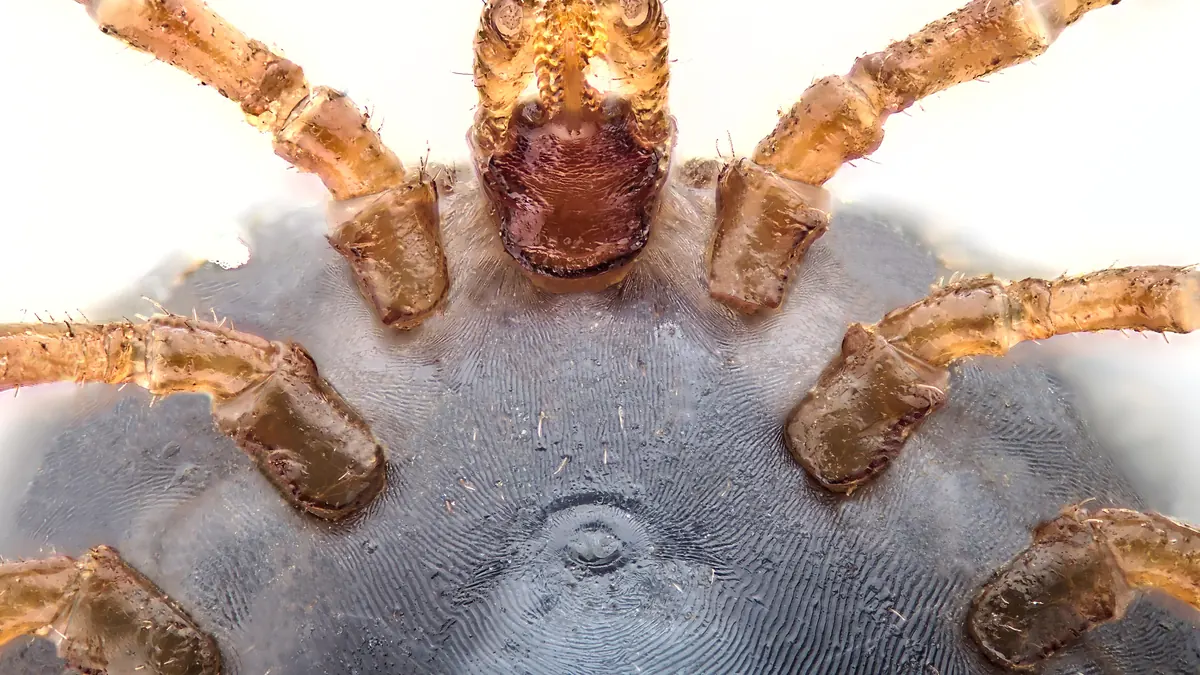
Ticks can give dogs Lyme disease, ehrlichiosis, anaplasmosis and Rocky Mountain spotted fever. The best protection is a year-round tick preventive from your vet plus a quick tick check after every walk in grass or woods: behind the ears, around the collar, under the front legs and between the toes. If you find a tick, pull it out with fine-tipped tweezers close to the skin, straight up, without twisting.
In this guide
- Which diseases do ticks give dogs?
- Which ticks bite dogs in the US?
- Where do ticks hide on a dog?
- How do I remove a tick from my dog?
- Which tick preventive is best?
- Can my dog bring ticks home to my family?
- How can I keep ticks out of my yard?
- Are ticks a risk at dog parks and on trails?
- Frequently asked questions
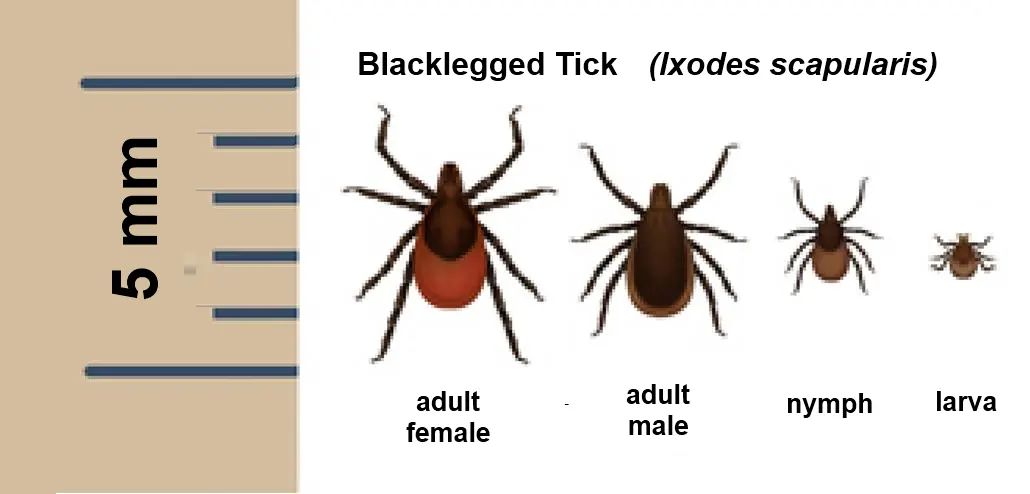
Ticks aren't only a summer or countryside problem. They live in tall grass and leaf litter in city parks too, and in many regions they stay active well into fall, or all year. Adult blacklegged ticks, the ones that spread Lyme disease, are active on any day above freezing, which in much of the country includes plenty of winter days.
The good news is that most tick-borne infections need time. The CDC notes that in people, a blacklegged tick usually has to be attached for more than a day before it passes on the Lyme bacteria. The same principle holds for dogs: the sooner you find and remove a tick, the lower the risk. That's why the daily check matters as much as the preventive.
Which diseases do ticks give dogs?
| Disease | Common signs in dogs |
|---|---|
| Lyme disease | Lameness that shifts between legs, fever, swollen joints, low energy; can affect the kidneys |
| Ehrlichiosis | Fever, low appetite, lethargy, bleeding problems |
| Anaplasmosis | Fever, joint pain, lethargy |
| Rocky Mountain spotted fever | Fever, lethargy, loss of appetite; spread by the American dog tick, among others |
| Tick paralysis | Weakness that starts in the back legs; improves when the tick is removed |
Many of these start with vague signs, like fever and tiredness, as a New York City Health Department table for vets notes. If your dog seems off in the weeks after a tick bite, tell your vet about the tick.
Which ticks bite dogs in the US?
| Tick | Where it's common | Diseases it can carry |
|---|---|---|
| Blacklegged (deer) tick | Northeast, Mid-Atlantic, Upper Midwest; a western relative on the Pacific coast | Lyme disease, anaplasmosis |
| American dog tick | East of the Rockies, parts of the West Coast | Rocky Mountain spotted fever, tick paralysis |
| Lone star tick | Southeast and East, spreading north | Ehrlichiosis |
| Brown dog tick | Nationwide, can live indoors and in kennels | Ehrlichiosis, Rocky Mountain spotted fever (in some areas) |
Which ticks matter depends on where you live and travel. The Companion Animal Parasite Council publishes county-level maps of how often dogs test positive for Lyme, ehrlichiosis and anaplasmosis, which is a quick way to see the local picture before a trip.
Where do ticks hide on a dog?
Ticks like warm, protected spots. Check:
- in and behind the ears;
- around the collar and neck;
- under the front legs ("armpits");
- between the toes;
- around the tail and groin.
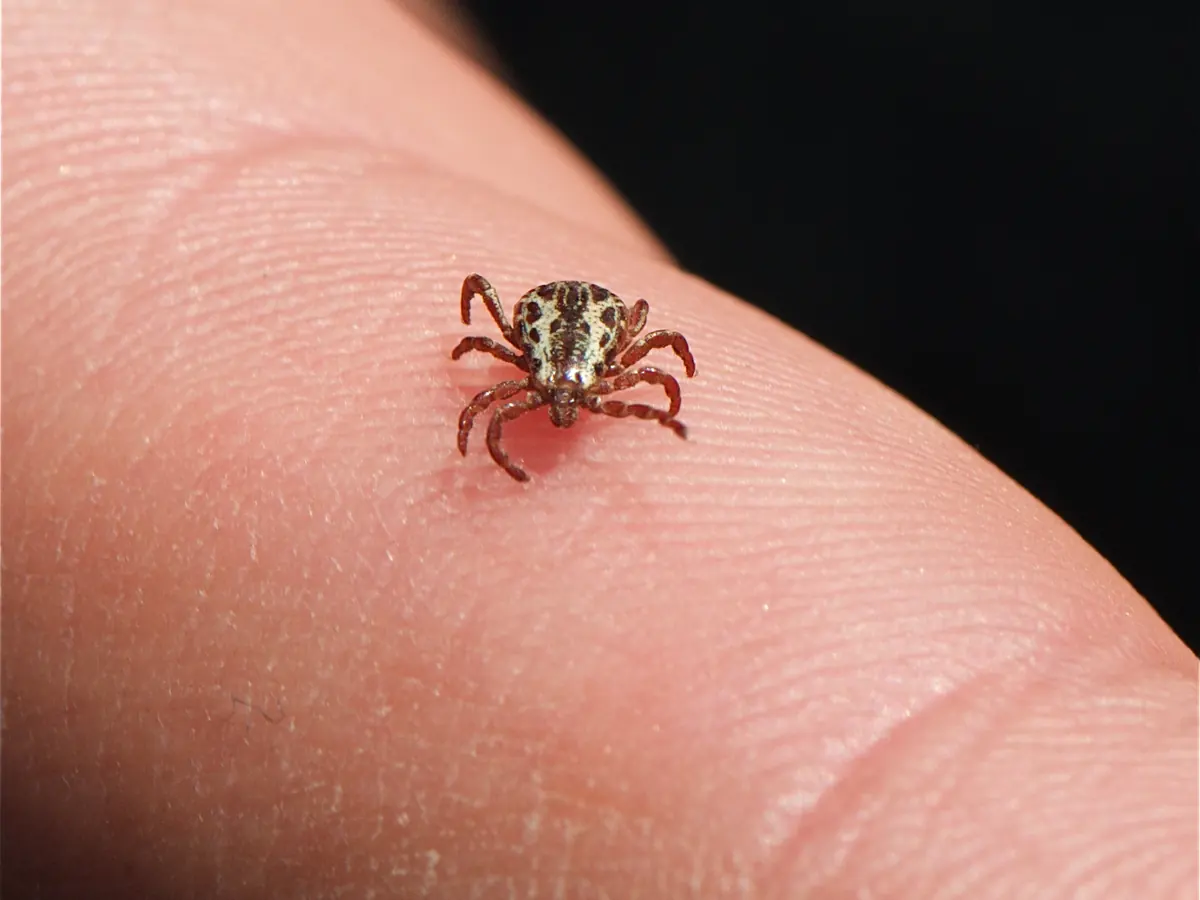
Run your hands slowly over your dog's body. A tick feels like a small bump, from the size of a poppy seed to a pea when full. Young ticks (nymphs) are the hardest to spot and the most likely to go unnoticed long enough to pass on disease.
- Check right after every walk in tall grass, woods or brush, before your dog goes inside.
- Use your fingertips against the skin, not just your eyes; long or dark coats hide ticks.
- Do the face, ears, collar, armpits, belly, groin, tail and between every toe.
- Repeat the next day: a tick that was too small to feel yesterday can be bigger today.
How do I remove a tick from my dog?
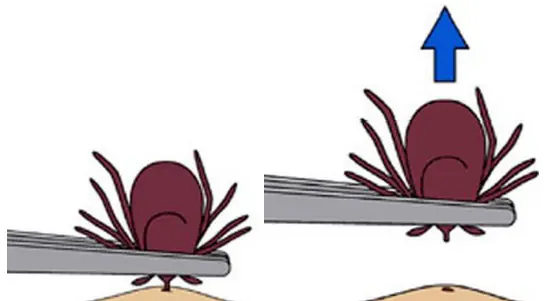
- Use fine-tipped tweezers or a tick removal tool.
- Grab the tick as close to the skin as you can.
- Pull straight up with steady pressure. Don't twist or jerk, which can leave mouthparts in the skin.
- Clean the bite and your hands with soap and water or alcohol.
- Drop the tick in alcohol or a sealed bag, or flush it. Note the date.
Don't burn the tick, paint it with nail polish or smother it with petroleum jelly. Those methods take longer, and removing a tick quickly matters.
Fever, limping that moves from leg to leg, swollen joints, unusual tiredness, loss of appetite, nosebleeds or bruising, or weakness that starts in the back legs, in the days to weeks after a tick bite. Tell the vet about the tick and, if you kept it, bring it. Weakness that spreads quickly can be tick paralysis, which usually improves fast once the tick is found and removed, so look the dog over carefully on the way.
Which tick preventive is best?
Your vet will choose based on your dog, your region and which ticks are common there. Options include monthly chewables, topical treatments and collars. No product is 100% effective without consistent use, so the most important thing is to give it on schedule, every month, including in fall and winter where ticks stay active.
There is also a vaccine for Lyme disease for dogs in high-risk areas. Ask your vet whether it makes sense where you live.
Can my dog bring ticks home to my family?
Yes. A tick can hitch a ride on your dog and then attach to a person. Dogs don't spread Lyme disease directly to people, but they can carry ticks into the house. Checking your dog after walks protects everyone. For people, the CDC recommends EPA-registered repellents, permethrin-treated clothing and tick checks after time outdoors.
How can I keep ticks out of my yard?
You can't make a yard tick-free, but you can make it much less friendly to them. The CDC's landscaping advice for tick-prone areas works for dog owners too:
- Keep the lawn mowed and clear tall grass and brush around the house and at the edge of the lawn.
- Rake up leaf litter, where ticks shelter from drying out.
- Put a 3-foot strip of wood chips or gravel between the lawn and any wooded area, to keep ticks from crossing into play spaces.
- Stack wood neatly in a dry, sunny spot, since it attracts the rodents that ticks feed on.
- Discourage deer with fencing or plant choices if they visit often.
Your dog's favorite spots, like the shady corner under the bushes or the path along the back fence, are where these steps matter most. Ask your vet before using any yard pesticide around pets, and keep dogs off treated areas until the product label says it's safe.
Are ticks a risk at dog parks and on trails?
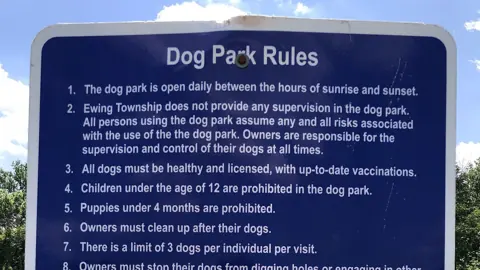
The open, mowed lawn of most dog parks is lower risk than tall grass and woods. The risk goes up on trails, in natural areas and along park edges with brush. If you hike with your dog, see hiking with dogs in national forests, and for other diseases dogs pick up outdoors, dog park diseases and vaccines.
Frequently asked questions
What diseases can dogs get from ticks?
Lyme disease, ehrlichiosis, anaplasmosis, Rocky Mountain spotted fever and tick paralysis, among others.
How do you remove a tick from a dog?
With fine-tipped tweezers close to the skin, pulling straight up with steady pressure, without twisting. Then clean the area.
Do dogs need tick prevention in winter?
In many regions ticks stay active into fall or all year. Most vets recommend year-round prevention.
How long does a tick have to be attached to infect a dog?
It varies by disease, but most infections need many hours of feeding. In people, Lyme usually requires more than a day of attachment, according to the CDC. Removing ticks the same day greatly lowers the risk.
Is there a Lyme vaccine for dogs?
Yes. Ask your vet whether it's recommended for your area and your dog's lifestyle.
Can my dog give me Lyme disease?
Not directly, but your dog can bring ticks into your home, and those ticks can bite people.
Sources: Centers for Disease Control and Prevention, tick bite prevention, tick removal and landscaping guidance (cdc.gov); NYC Department of Health, "Tick-borne diseases in dogs and cats" (table for veterinarians); Connecticut Agricultural Experiment Station, prevention of tick-borne diseases in companion animals; Companion Animal Parasite Council, parasite prevalence maps (capcvet.org). This guide is general information, not veterinary advice.