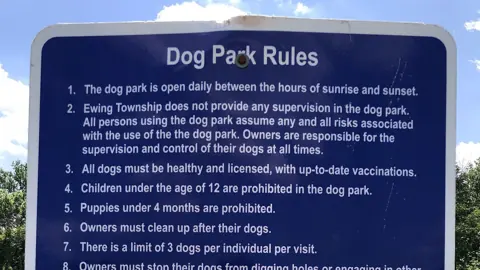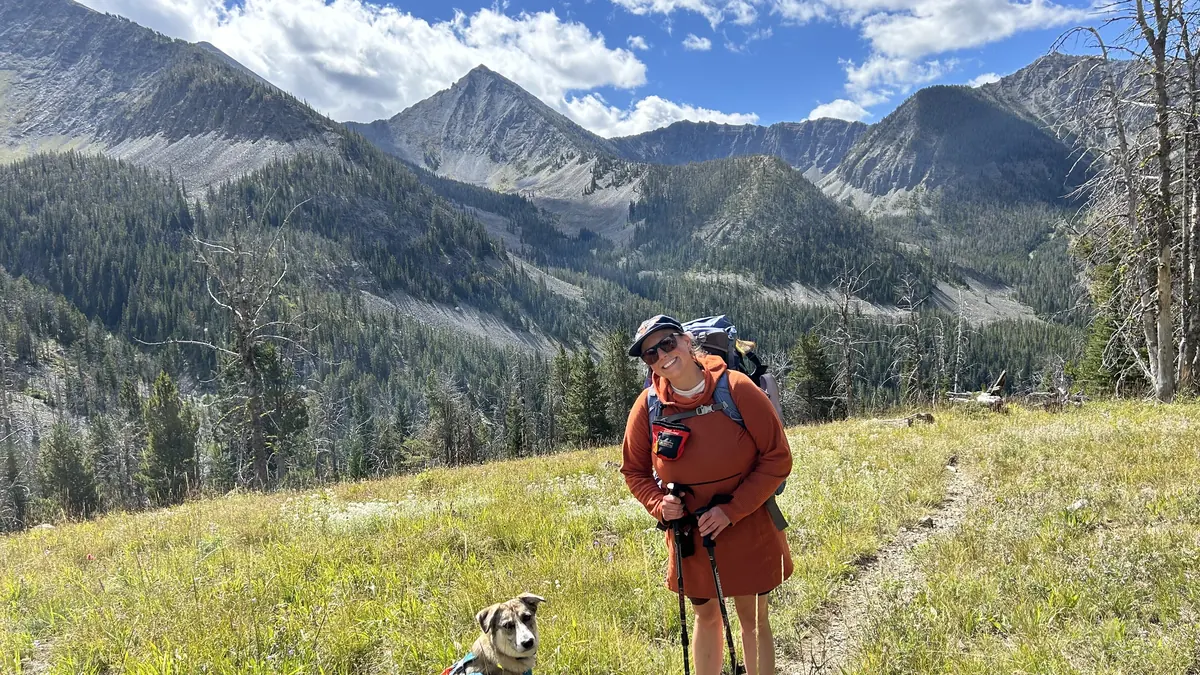
Yes, you can hike with your dog in most national forests, and that's the big difference from national parks, where dogs are kept off most trails. The basic federal rule is that dogs must be on a leash no longer than 6 feet in developed recreation sites (campgrounds, picnic areas, trailheads), and individual forests or ranger districts can require leashes on specific trails too. Always check the local forest's alerts before you go.
In this guide
- National forest or national park: what's the difference for dogs?
- What does the federal rule actually say?
- How do I find the rules for a specific forest?
- Is it safe to hike off leash in a national forest?
- Do dogs make bear encounters more dangerous?
- What's different about hiking in the fall?
- Can I camp with my dog in a national forest?
- Are there places in national forests where dogs aren't allowed?
- What should I bring on a forest hike with my dog?
- Frequently asked questions
National forest or national park: what's the difference for dogs?
They are run by different agencies with different missions. National parks (National Park Service) protect a place as close to untouched as possible, so pets are mostly limited to paved areas, campgrounds and a few trails. National forests (U.S. Forest Service, part of the Department of Agriculture) are managed for many uses, including recreation, grazing and timber, and the rules for dogs are far more relaxed.
| National parks | National forests | |
|---|---|---|
| Dogs on trails | Usually not allowed, a few exceptions | Usually allowed |
| Leash rule | Leash of 6 feet or less wherever pets are allowed | 6-foot leash in developed sites; trail rules set locally |
| Campgrounds | Usually allowed, leashed | Allowed, leashed |
| Where to check | Each park's "pets" page | Each forest's alerts and orders |
Lands run by the Bureau of Land Management (BLM) are generally similar to national forests for dogs: allowed, with local rules. Our guide to dog-friendly national parks covers the parks that do welcome dogs on trails, like Acadia.
What does the federal rule actually say?
Inside developed recreation sites, Forest Service regulations (36 CFR 261.16) prohibit bringing in an animal unless it is crated, caged, or on a leash not longer than six feet, or otherwise under physical control. Seeing eye dogs are the exception named in the rule.
On trails and general forest areas, there is no single national leash requirement. Instead, a forest supervisor or district ranger can issue an order requiring leashes in a specific area, under 36 CFR 261.58. These orders are common near busy trailheads, wildlife areas and places with past problems. Recent examples posted by the Forest Service include leash orders on the Carson Ranger District of the Humboldt-Toiyabe National Forest, in Jacks Valley in Nevada, and on the Jackson Ranger District of the Bridger-Teton National Forest in Wyoming.
Orders usually exempt people with disabilities using a service dog, officers on duty and rescue teams.
How do I find the rules for a specific forest?
- Go to the forest's page on fs.usda.gov.
- Open "Alerts and Notices" and look for leash orders, closures and fire restrictions.
- Read the sign at the trailhead. It wins over anything you read online, including this guide.
- Check wilderness rules if your route crosses into a designated wilderness area. Some have stricter dog rules or group limits.
Is it safe to hike off leash in a national forest?
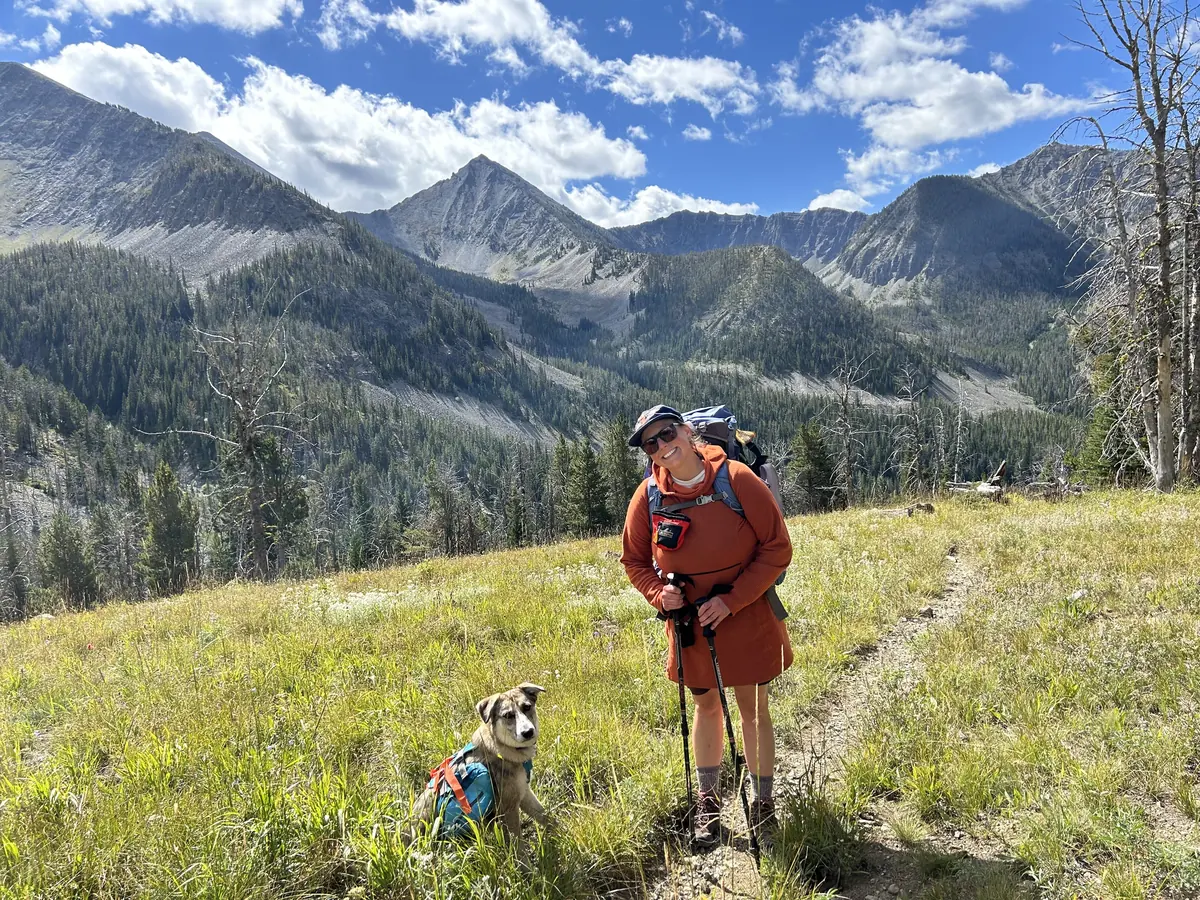
Where it's allowed, only if your dog has a rock-solid recall around wildlife, other dogs, horses and bikes. The main risks:
- Wildlife. Deer, elk, moose, bears and porcupines. A dog that chases can get hurt or bring an angry animal back to you.
- Other trail users. Horses can spook; mountain bikes come fast around corners.
- Getting lost. Forests are big. Make sure your dog wears ID tags and is microchipped.
Do dogs make bear encounters more dangerous?
They can, especially when they're loose. A 2025 study in the Journal of Wildlife Management reviewed 326 conflicts between bears and domestic dogs and found that the dog started the encounter in about 54% of them, usually by chasing or barking at the bear. The most common setting was a hike in wild country (about 45% of cases). Earlier work by bear researchers Stephen Herrero and Hank Hristienko, which looked at 92 black bear attacks, found a dog was involved in roughly half. The pattern is familiar to rangers: a dog runs off, finds a bear, and runs back to its owner with the bear behind it.
Leash your dog right away and keep it close and quiet. Don't let it chase or bark. Back away slowly, talking calmly, and give the bear a way out. Carry bear spray where bears are common and know how to use it. Never run. Report aggressive bears to the ranger district.
Other wildlife causes more everyday trouble. Porcupine quills need a vet (pulling them at home often breaks them under the skin), rattlesnakes are active on warm trails in much of the West and South, and moose and elk can charge a dog that gets too close, particularly cows with calves in spring.
If you're not sure your dog is ready, start with fenced spaces. Our checklist is your dog ready for the dog park? covers recall and play skills, and off-leash vs. fenced dog parks explains the difference.
What's different about hiking in the fall?
Hunting season. Most national forests are open to hunting, and fall is when it's busiest. Put a blaze-orange vest or bandana on your dog (and wear orange yourself), keep your dog close, and consider sticking to trails near trailheads on opening weekends. State wildlife agencies publish season dates.
Days are also shorter and temperatures drop fast after sunset at elevation. Pack a light and plan to be back early. Our guide to cold weather safety for dogs covers paws, salt and how cold is too cold.
Can I camp with my dog in a national forest?
Yes. Dogs are allowed in national forest campgrounds, leashed (6 feet or less) as in any developed recreation site, and many campgrounds also ask that dogs not be left unattended or allowed to bark continuously. Dispersed camping, outside developed campgrounds, is generally allowed in many forests, but fire rules, stay limits and local leash orders still apply. Food and dog food need to be stored properly in bear country, often in a locked vehicle or bear-resistant container.
Are there places in national forests where dogs aren't allowed?
A few. Some swimming beaches, nature trails and sensitive wildlife areas ban dogs, and some forests close specific areas during calving or nesting season. These closures are posted as orders on the forest's website and at trailheads. If your dog is a service dog, check the order: most exempt service animals.
What should I bring on a forest hike with my dog?
- A 6-foot leash, even where off-leash hiking is allowed
- Water for both of you and a bowl; don't let your dog drink from streams and ponds, which can carry giardia and leptospirosis
- Poop bags, and a plan to pack them out
- Tick prevention and a quick tick check after the hike
- A basic first-aid kit with tweezers and gauze
- ID tags and a recent photo of your dog on your phone
- Booties or paw balm for rocky or icy trails, and a light for the walk out
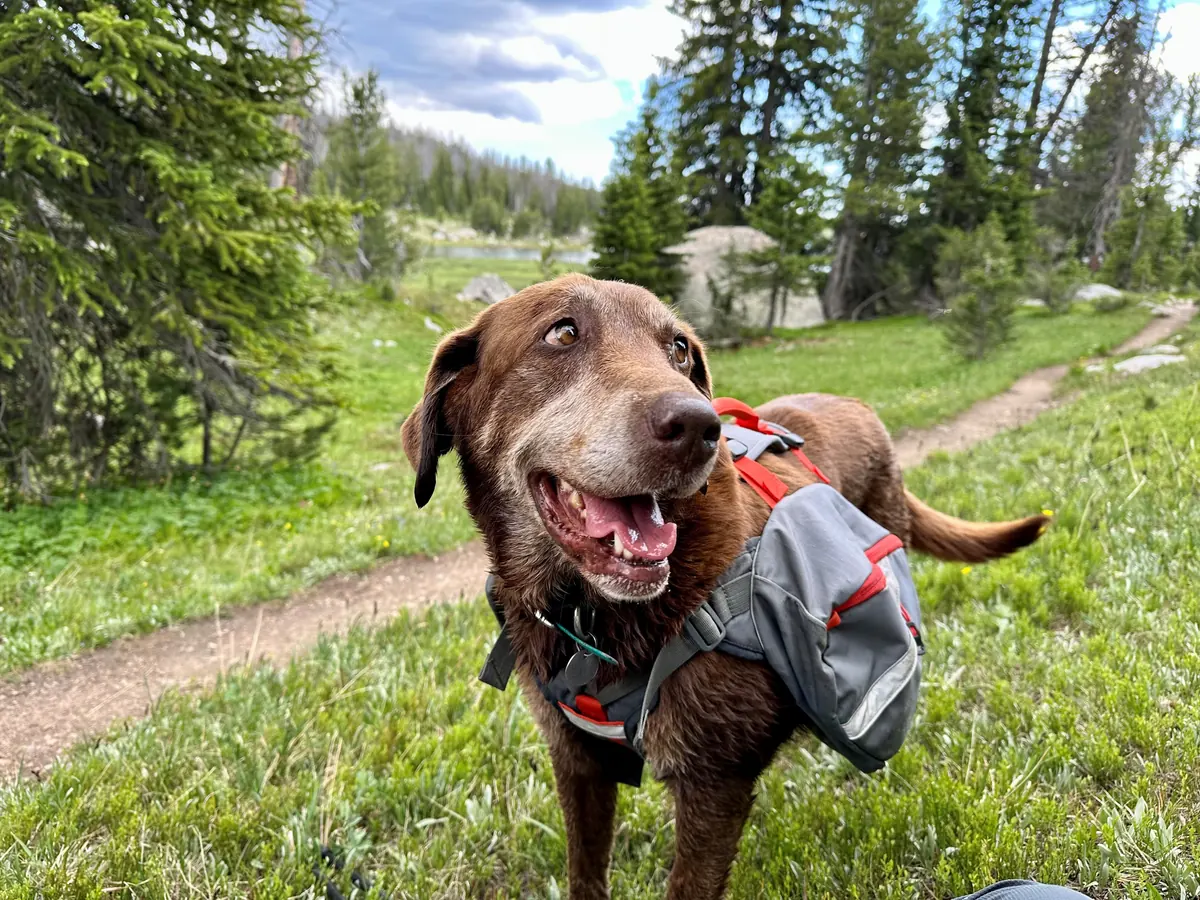
How far a dog can hike depends on age, breed and conditioning more than on enthusiasm. Build up with shorter hikes, watch for limping or a dog that keeps lying down, and plan the turnaround point before you start. Puppies whose growth plates haven't closed and older dogs with stiff joints do better with short, flat trails; see senior dogs at the dog park and how hot is too hot for dogs.
Diseases dogs can pick up outdoors, and the vaccines that help, are in our guide to dog park diseases and vaccines.
Frequently asked questions
Should I bring my dog in bear country?
You can, with care: keep it leashed and close, store food properly and carry bear spray. Research on dog-bear conflicts found that dogs started more than half of encounters, usually by chasing.
Are dogs allowed in national forests?
Yes, in most national forests. Dogs must be leashed (6 feet or less) in developed recreation sites like campgrounds and picnic areas, and some forests require leashes on specific trails by local order.
Do dogs have to be on a leash in national forests?
In developed recreation sites, yes. On trails, it depends on local orders, so check the forest's alerts page and the trailhead sign.
Why are dogs allowed in national forests but not national parks?
The agencies have different missions. National parks aim to protect wildlife and landscapes with minimal disturbance; national forests are managed for many uses, including recreation.
Can I take my dog hiking during hunting season?
Yes, in most forests, but put blaze orange on your dog and yourself, keep your dog close, and avoid the busiest opening weekends if you can.
Are dogs allowed on BLM land?
Generally yes, with local rules for specific sites. Check the BLM field office page for the area you're visiting.
Sources: Code of Federal Regulations, 36 CFR 261.16 (developed recreation sites) and 36 CFR 261.58 (occupancy and use orders); U.S. Forest Service alerts and leash orders for the Humboldt-Toiyabe and Bridger-Teton National Forests (fs.usda.gov); National Park Service pet policies; Smith et al., "The canine conundrum: is a dog a help or hindrance in bear country?", Journal of Wildlife Management (2025); Herrero and Hristienko's review of black bear attacks involving dogs, as reported by Alaska Dispatch News. Rules change by forest and season; the trailhead sign always wins.