The diseases dogs most often pick up at dog parks are kennel cough, canine influenza, parvovirus, leptospirosis, giardia and intestinal worms, plus fleas and ticks. Most are preventable: keep your dog current on rabies, distemper-parvo and leptospirosis vaccines, ask your vet whether kennel cough and flu shots fit your dog's routine, keep up parasite prevention, and skip the communal water bowl.
In this guide
- Which diseases spread at dog parks?
- How do germs actually travel at a dog park?
- Which vaccines does my dog need for the dog park?
- Is the dog park water bowl safe?
- How do I know if my dog picked something up?
- Do daycares and boarding kennels need different vaccines?
- How often should my dog get booster shots?
- Can people catch anything at the dog park?
- Are some dog parks riskier than others?
- How can I lower the risk without giving up the park?
- Frequently asked questions
None of this means dog parks are dangerous. It means a dog park is a shared space, like a daycare or a playground, and the same common-sense rules apply.
Which diseases spread at dog parks?
The American Veterinary Medical Association (AVMA) publishes a guide to disease risks for dogs in social settings like parks, daycare, boarding and training classes. These are the ones that matter most for a park visit:
| Disease | How it spreads at a park | Vaccine? |
|---|---|---|
| Kennel cough (Bordetella and others) | Coughing, sniffing, shared toys and bowls | Yes, for some causes |
| Canine influenza | Coughing and contaminated surfaces, bowls, leashes and hands | Yes, lifestyle-based |
| Parvovirus | Contact with infected stool or soil; the virus survives a long time outdoors | Yes, core |
| Distemper | Respiratory secretions | Yes, core |
| Leptospirosis | Water or soil contaminated with urine, including puddles | Yes, now recommended for most dogs |
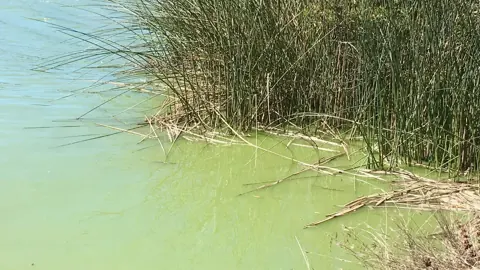
| Giardia | Swallowing cysts from stool-contaminated water or ground | No |
| Intestinal worms | Eggs in stool and soil | No (monthly preventives help) |
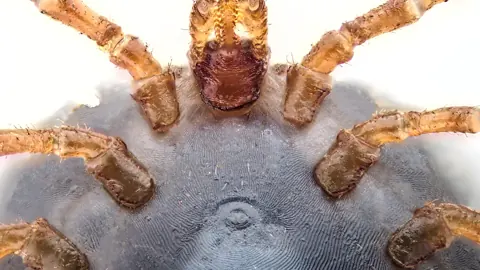
| Fleas and ticks | Close contact and tall grass | No (preventives) |
One detail from the AVMA guide is worth knowing: the canine flu virus can survive up to 48 hours on surfaces, up to 24 hours on clothing and up to 12 hours on people's hands. That's why petting several dogs in a row, or sharing leashes and bowls, helps it spread.
How do germs actually travel at a dog park?
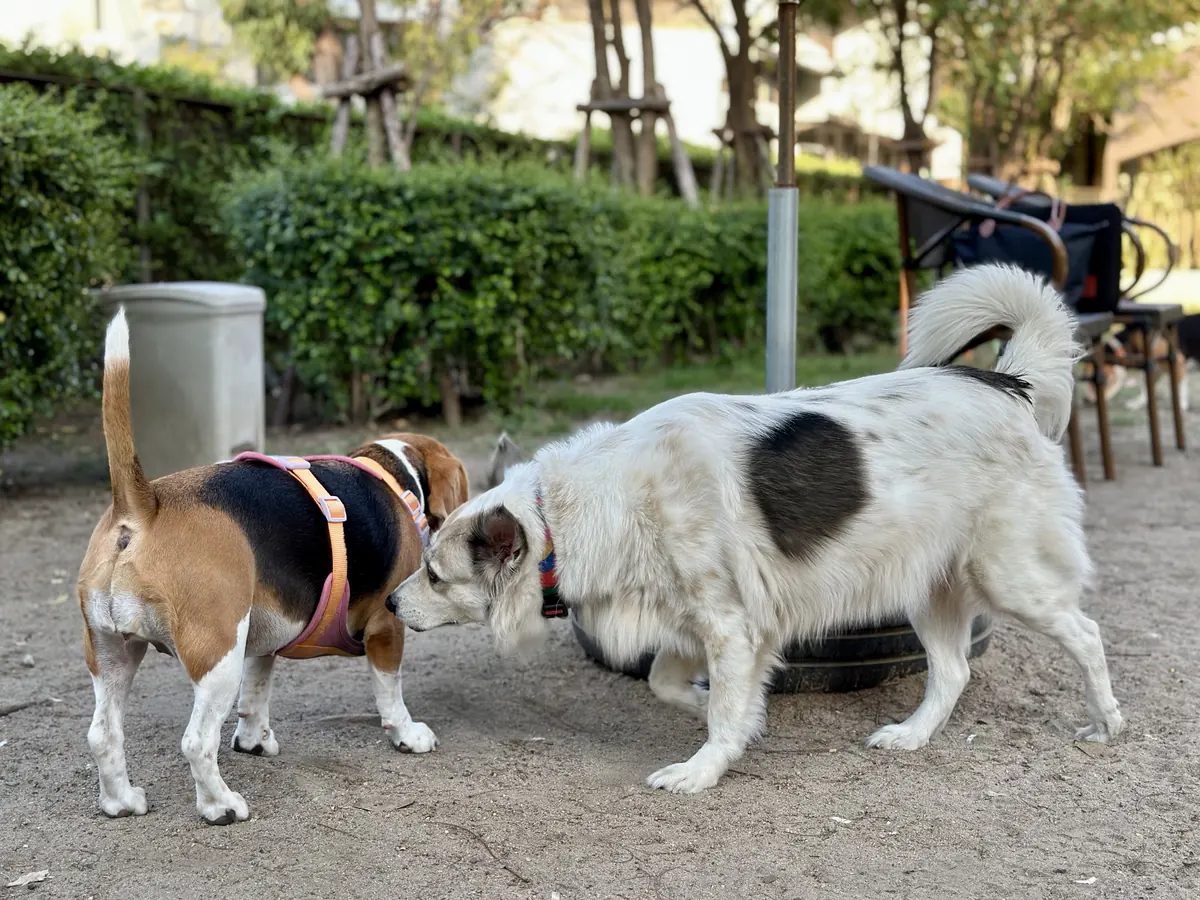
Almost everything that spreads between dogs uses one of four routes, and each one has a simple counter-move:
Which vaccines does my dog need for the dog park?
Start with the vaccines your city requires, then add what your vet recommends for your dog's lifestyle.
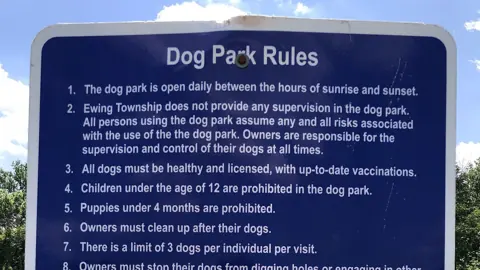
- Rabies. Required by law almost everywhere in the US, and most city dog parks expect it. Several cities in our guides post it on the gate sign, and New York requires owners to carry proof of rabies vaccination in public.
- Distemper, parvovirus and adenovirus (usually one combination shot). These are core vaccines for every dog.
- Leptospirosis. The American Animal Hospital Association (AAHA) now recommends it for dogs of any lifestyle that go outside, in cities as well as rural areas, because exposure through urine-contaminated water and soil happens everywhere.
- Bordetella (kennel cough) and canine influenza. Lifestyle vaccines. Many daycares and boarding kennels require them. For a dog that goes to the park often, they are worth a conversation with your vet.
Puppies are the exception. Until they finish their puppy series, a busy dog park is a real parvo risk, which is why parks in Chicago, Houston and Nashville post a minimum age of four months.
Is the dog park water bowl safe?
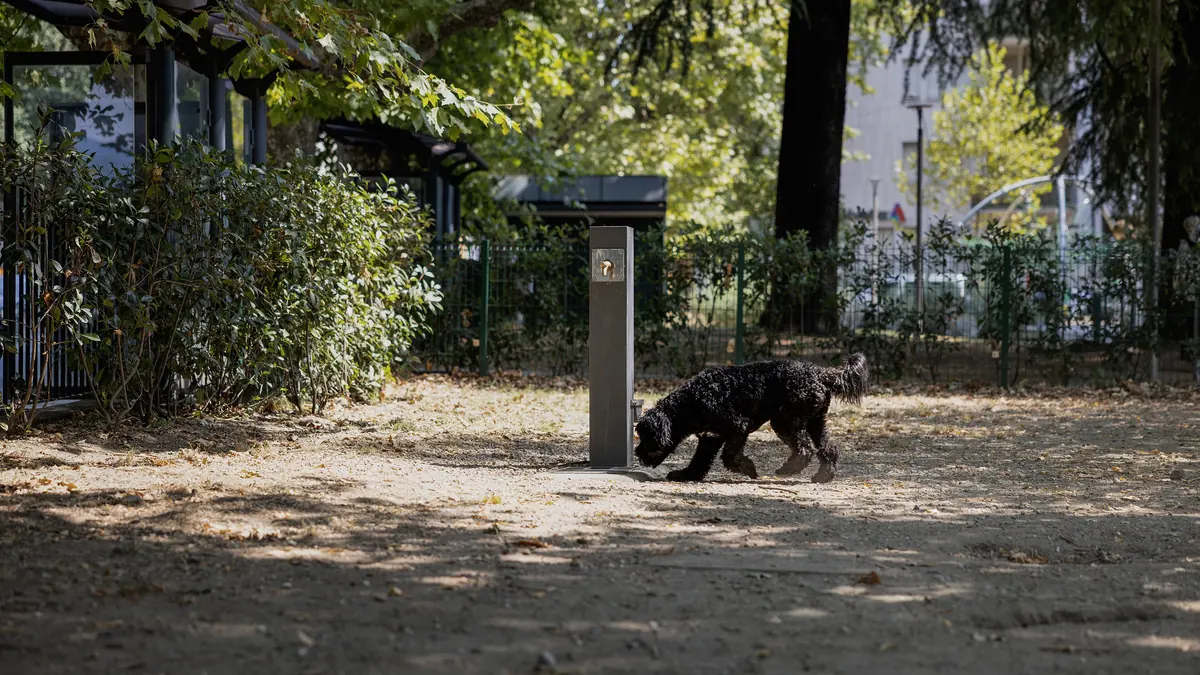
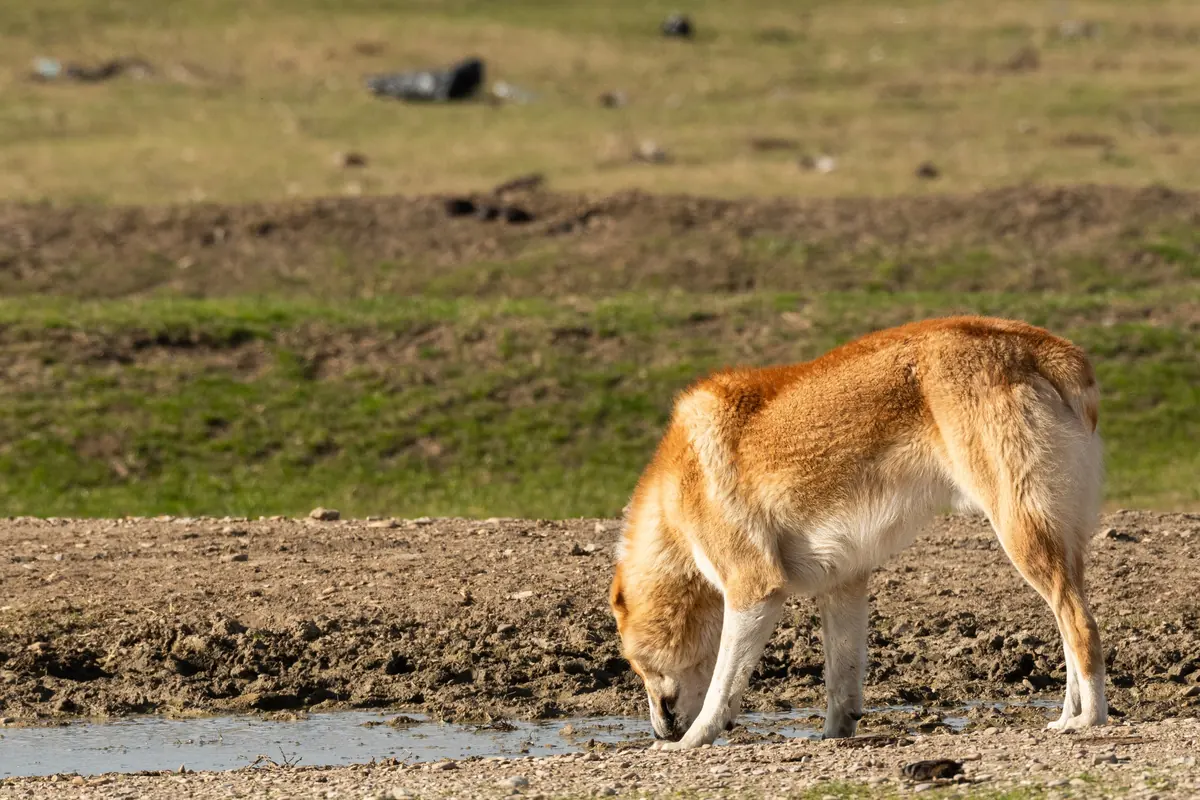
It's one of the easiest ways to share germs. Kennel cough, flu and giardia can all pass through a shared bowl or standing water. Bring your own water and a collapsible bowl, and don't let your dog drink from puddles, which are also a leptospirosis risk. Our dog park checklist covers what else to pack.
How do I know if my dog picked something up?
Watch for these in the days after a park visit:
- A honking or dry cough, sneezing, nasal discharge (kennel cough, flu)
- Vomiting or diarrhea, especially with blood or lethargy (parvo, giardia, worms)
- Fever, drinking much more than usual, not eating (leptospirosis can look like this)
- Scratching or visible ticks (fleas and ticks)
Call your vet if anything lasts more than a day, or right away for a puppy, or for vomiting with lethargy. And keep a sick dog home until the vet says it's no longer contagious. It's in every set of park rules for a reason; the etiquette guide explains the others.
Do daycares and boarding kennels need different vaccines?
Often, yes. Dog parks rarely check anything beyond a license, but daycares, boarding kennels, groomers and training classes usually ask for proof of vaccination before the first visit, and most add Bordetella (kennel cough) to the list. Some also ask for canine influenza, especially after local outbreaks. If your dog goes to the park and to daycare, keeping the Bordetella and flu shots current covers both.
Ask your vet for a printed or digital vaccine record and keep a photo of it on your phone. It saves a trip home when a daycare asks, and it's useful if there's ever a bite or scuffle at the park.
How often should my dog get booster shots?
It depends on the vaccine and the product your vet uses. Rabies is given every one or three years depending on the vaccine and your state's law. The distemper-parvo combination is usually boosted every three years after the puppy series and first-year booster. Leptospirosis, Bordetella and canine flu are typically yearly. Your vet will set the schedule; the AAHA guidelines are what most US clinics follow.
Can people catch anything at the dog park?
A few dog diseases can pass to people, including leptospirosis, giardia, ringworm and some intestinal worms. The basic protection is simple: pick up after your dog, wash your hands after the park (and before eating), and keep small children from touching their faces after playing on the ground. Pregnant people and anyone with a weakened immune system should be extra careful with stool and soil.
Are some dog parks riskier than others?
A few things raise the risk:
- Standing water and mud, which hold leptospira and giardia.
- Parks where owners don't pick up, which spreads parvo and worms.
- Very crowded parks, where respiratory infections pass quickly.
- Outbreak news. When a city reports a cluster of canine flu or leptospirosis, local parks sometimes close or post warnings. Check your city's parks page before you go.
Our comparison of rules in 20 cities links to each city's official page, where these notices are posted.
How can I lower the risk without giving up the park?
- Keep core vaccines and leptospirosis current, and ask your vet about kennel cough and flu shots.
- Give flea, tick and intestinal parasite prevention every month, all year where your vet recommends it.
- Bring your own water and a collapsible bowl.
- Steer your dog away from puddles, mud and poop piles.
- Skip the park when your dog has a cough, diarrhea or seems off, and when the city reports an outbreak.
- Wash your hands after the park, and before you eat.
- Keep a photo of the vaccine record on your phone.
Each of the common park illnesses has its own guide: kennel cough, giardia and leptospirosis, plus ticks on dogs.
Frequently asked questions
What vaccines does a dog need to go to a dog park?
At minimum, rabies, which most cities require, plus the core distemper-parvovirus combination. Leptospirosis is now recommended for most dogs that go outside, and kennel cough and canine flu vaccines are worth discussing with your vet if your dog visits parks often.
Can my puppy go to the dog park?
Not until the puppy vaccine series is complete. Many city parks set a minimum age of four months, and a crowded park is a parvovirus risk for an unvaccinated puppy.
Can dogs get parvo at a dog park?
Yes. Parvovirus spreads through infected stool and survives a long time in soil, so unvaccinated dogs and young puppies are at risk wherever many dogs gather.
Should my dog drink from the dog park water bowl?
It's better not to. Shared bowls and puddles can spread kennel cough, canine flu, giardia and leptospirosis. Bring your own water and bowl.
Is there a vaccine for giardia?
No. Giardia is prevented by avoiding contaminated water and stool, and by picking up after your dog. Your vet can test for it if your dog has diarrhea after a park visit.
Sources: American Veterinary Medical Association, "Disease risks for dogs in social settings" and "Common-sense measures to protect your dog, yourself and others in canine social settings" (avma.org); American Animal Hospital Association, 2022 AAHA Canine Vaccination Guidelines and update on leptospirosis as a core vaccine (aaha.org); posted dog park rules from the cities in our guides. This guide is general information, not veterinary advice; ask your vet about your own dog.