Kennel cough is a contagious respiratory infection in dogs, usually showing up as a sudden, harsh, honking cough. It isn't caused by one germ: vets call it canine infectious respiratory disease complex, a mix of viruses and bacteria such as Bordetella bronchiseptica and canine parainfluenza. Most dogs have mild symptoms and recover in about 7 to 10 days, according to the AVMA. See a vet if your dog has a fever, stops eating, seems very tired or breathes hard.
In this guide
- What are the symptoms of kennel cough?
- When is kennel cough serious?
- Is it kennel cough or canine flu?
- How does kennel cough spread?
- Is there a vaccine for kennel cough?
- Do dog parks require the Bordetella vaccine?
- What should I do if my dog has kennel cough?
- How can I make my coughing dog comfortable at home?
- When can my dog go back to the dog park?
- Can people catch kennel cough?
- Frequently asked questions
It spreads wherever dogs share air and space: boarding, daycare, groomers, shelters and dog parks. That's why some dog parks require a Bordetella vaccine.
What are the symptoms of kennel cough?
- A dry, hacking or honking cough, often worse with excitement or a pulling leash
- Gagging or retching after coughing, which can look like vomiting
- Sneezing and a runny nose
- Mild tiredness
Many dogs keep eating and acting normally apart from the cough.
The cough itself is hard to describe in words. Owners often say it sounds like the dog has something stuck in its throat, or like a goose honk. In the video below, veterinarian Greg Martinez compares the classic kennel cough with a heart-related cough, which can sound similar but needs very different care.
When is kennel cough serious?
Go to a vet if your dog has:
- fever, low energy or no appetite;
- fast or labored breathing;
- a cough that lasts more than about two weeks or gets worse;
- thick yellow or green nasal discharge.
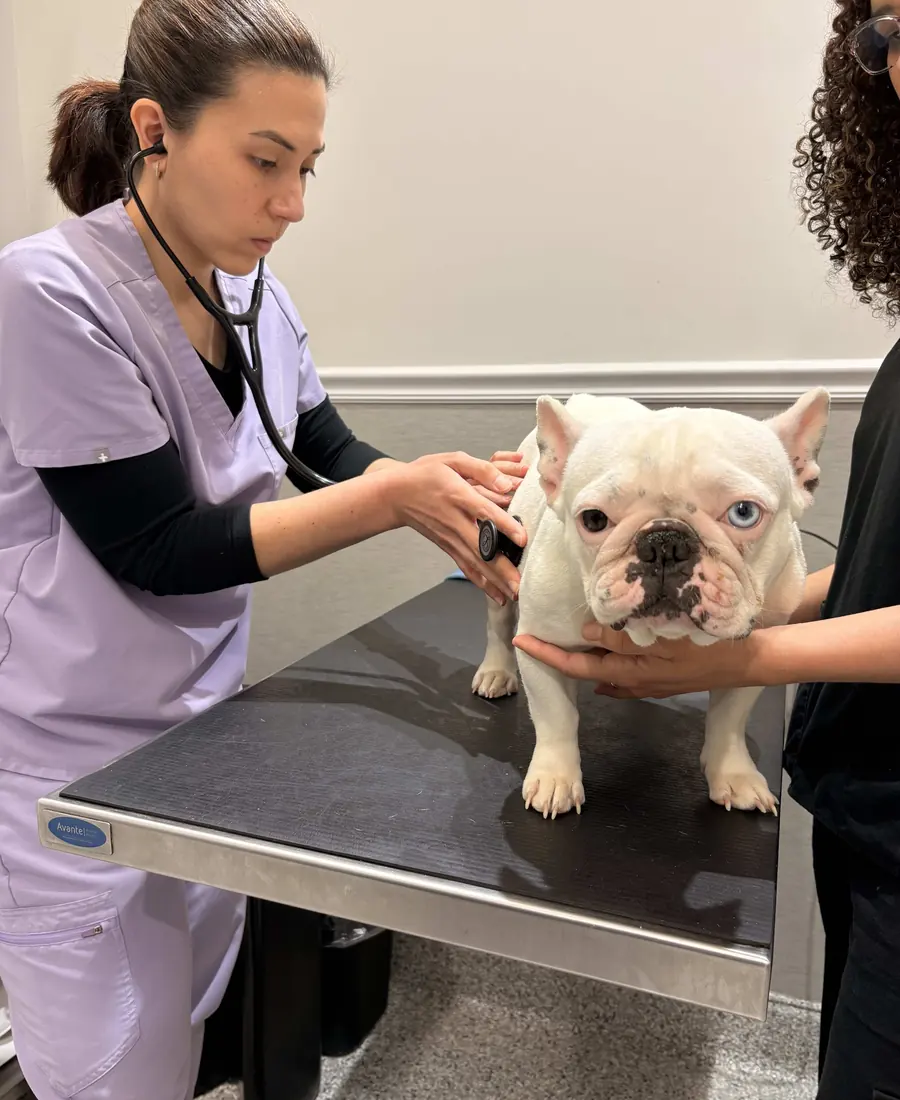
Puppies, senior dogs, dogs with heart or lung disease and flat-faced breeds are at higher risk of complications like pneumonia. Also, a cough isn't always an infection: heart disease and a collapsing trachea can cause coughing too, so let your vet sort it out.
Is it kennel cough or canine flu?
They overlap, and only testing can tell them apart for sure. Canine influenza is one of the viruses that can be part of the "kennel cough" complex, but it tends to make dogs sicker. Two strains circulate in the US, H3N8 and H3N2; H3N2 caused large outbreaks after it was first detected in the Chicago area in 2015.
| Sign | Typical kennel cough | Canine influenza |
|---|---|---|
| Cough | Dry, honking, often the main sign | Can be dry or moist |
| Fever | Uncommon | Common |
| Energy and appetite | Usually normal | Often low |
| Nasal discharge | Clear, if any | Can turn thick |
| Contagious period | Days to weeks | Can be several weeks |
Because flu can stay contagious longer, vets sometimes recommend a longer time away from other dogs when it's confirmed. If several dogs from the same park or daycare get sick in the same week, tell your vet; testing helps the whole community know what's going around.
How does kennel cough spread?
Through the air when dogs cough and sneeze, through nose-to-nose contact and through shared bowls and toys. Dogs can spread it before they look sick. Close, crowded, poorly ventilated spaces are where it moves fastest.
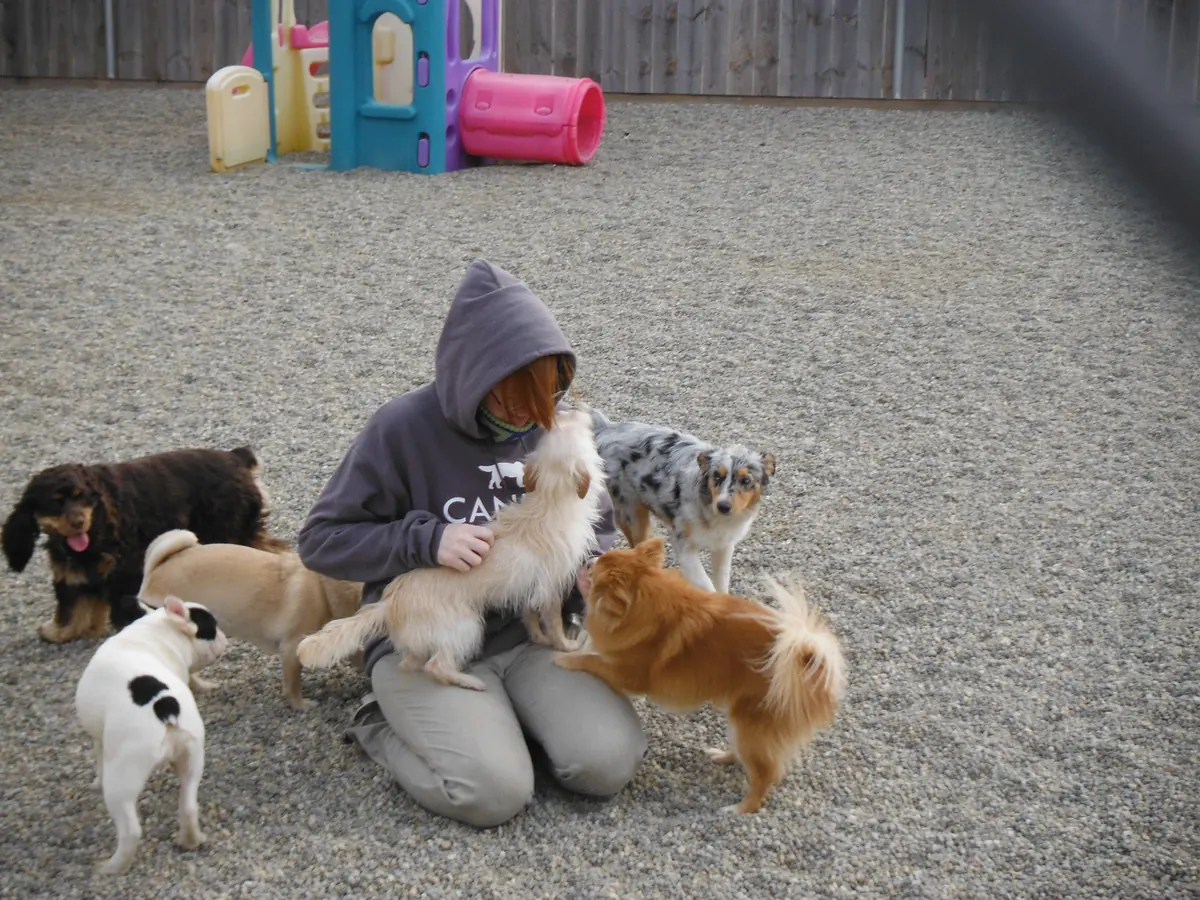
Outdoor dog parks are lower risk than indoor spaces, because air moves and dogs spread out, but the shared water bowl is a weak spot. Bringing your own bowl and water is an easy fix.
Is there a vaccine for kennel cough?
There are vaccines for some of the germs involved: Bordetella, canine parainfluenza and canine influenza. They come as nose drops, mouth drops or injections. The AVMA notes that vaccines make severe illness less likely, but they don't cover every cause, so a vaccinated dog can still catch a mild case. Ask your vet which ones fit your dog's lifestyle.
Plan ahead if your dog is starting daycare, boarding or a new class. Some vaccine types need two doses a few weeks apart the first time, and protection isn't immediate, so a shot given the day before drop-off doesn't do much. Dogs that see many other dogs every week may be advised to get boosters more often than once a year.
Do dog parks require the Bordetella vaccine?
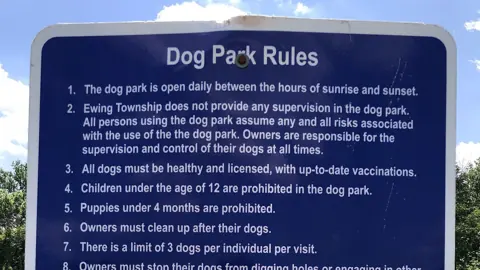
Some do. In the official rules we compiled, Charlotte's dog parks (run by Mecklenburg County) require rabies, DHLPP and Bordetella. Most cities don't list it, but daycares, boarding kennels and groomers often require it. See dog park rules in 20 US cities and dog parks in Charlotte.
What should I do if my dog has kennel cough?
- Keep your dog home: no dog park, daycare or group walks.
- Call your vet. Mild cases often just need rest; your vet decides whether medication is needed.
- Use a harness instead of a collar to avoid pressure on the throat.
- Keep the air humid and avoid smoke.
- Wait until the cough is gone, and ask your vet how long your dog is contagious, before going back to the park.
Other diseases dogs share at the park are in dog park diseases and vaccines.
How can I make my coughing dog comfortable at home?
Rest does most of the work. Swap long walks for short, calm potty breaks, and keep play low-key so excitement doesn't set off coughing fits. A few minutes in a steamy bathroom while you shower can loosen the throat, and a humidifier near the dog's bed helps at night. Keep the air clean: no smoking indoors, and skip sprays and scented candles for a while. If the cough makes your dog reluctant to eat dry food, soaking it in warm water usually helps.
Many cough syrups and cold tablets contain ingredients that are dangerous for dogs, such as xylitol, acetaminophen or decongestants. Even "natural" remedies can interact with medication your dog takes. Ask your vet before giving anything, and call right away if your dog swallowed something from your medicine cabinet.
When can my dog go back to the dog park?
Not the day the cough stops. Dogs can keep shedding germs for a while after they sound better, and your vet knows which cause is likely and how long to wait. Use this as a checklist before the first visit back:
- No coughing, gagging or sneezing for several days in a row
- Normal energy and appetite
- Your vet has said your dog is no longer contagious
- Vaccines your vet recommended are up to date
- Your own water bowl packed, so you skip the shared one
If you have other dogs at home, keep them apart from the sick one as much as you can and wash bowls and toys in hot, soapy water. Tell your daycare or dog walker too; they'd much rather know.
Can people catch kennel cough?
It's very rare. Bordetella bronchiseptica can, on rare occasions, infect people with weakened immune systems. For most people, the risk is very low. Washing your hands after handling a sick dog is enough.
Frequently asked questions
How long does kennel cough last?
Most dogs recover in about 7 to 10 days. See a vet if the cough lasts longer or the dog seems sick.
Is kennel cough contagious to other dogs?
Yes, through the air, close contact and shared bowls and toys, sometimes before symptoms show.
Can a vaccinated dog get kennel cough?
Yes. Vaccines cover some of the germs and make severe illness less likely, but they don't cover every cause.
Can my dog go to the dog park with kennel cough?
No. Keep your dog home until the cough is gone and your vet says it's no longer contagious.
Is kennel cough the same as dog flu?
No. Canine influenza can be one cause of kennel cough, but it usually brings fever, low energy and poor appetite, and it can stay contagious longer.
What does kennel cough sound like?
A harsh, dry, honking cough, often followed by gagging.
Sources: American Veterinary Medical Association, guidance on canine infectious respiratory disease complex (avma.org); University of Tennessee College of Veterinary Medicine, "Canine Respiratory Illnesses"; AVMA and CDC information on canine influenza H3N8 and H3N2; Mecklenburg County Park and Recreation dog park rules, compiled in our city guides. This guide is general information, not veterinary advice.