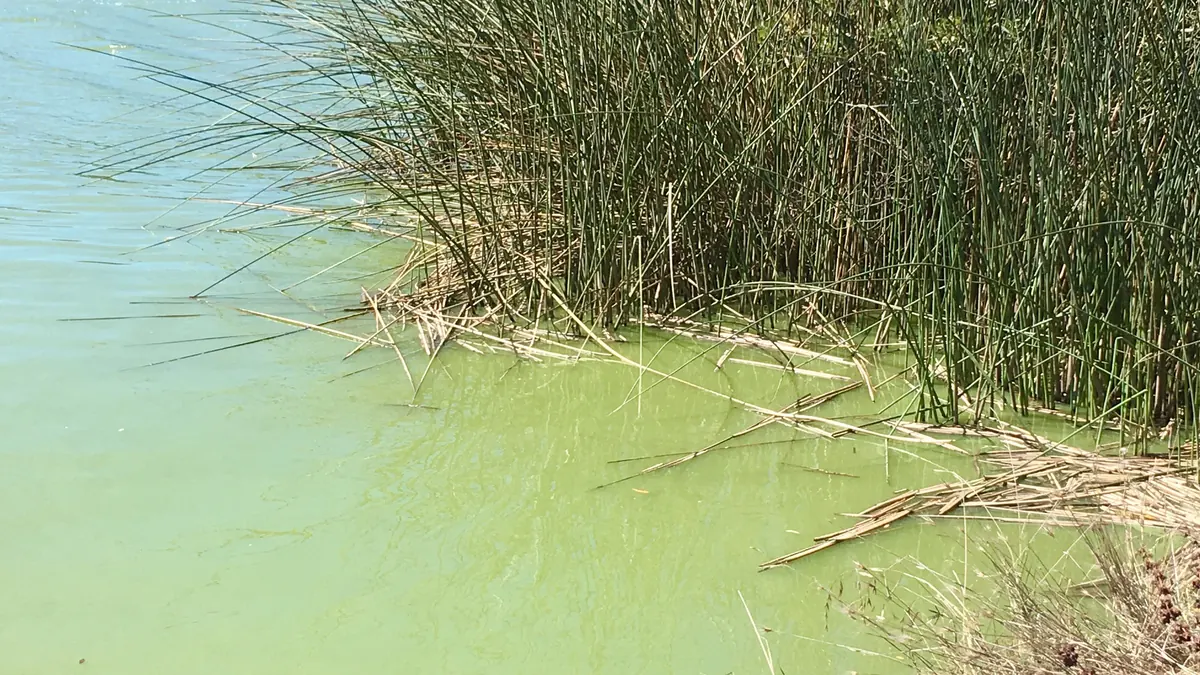
Toxic algae (harmful algal blooms, made by cyanobacteria) can kill a dog within hours of swimming in or drinking from affected water. If a lake, pond or river looks like pea soup, spilled paint or has scum, foam or mats on the surface, keep your dog out and on a leash. If your dog has been in suspicious water and starts vomiting, drooling, stumbling or shaking, go to a vet immediately.
In this guide
- What is toxic algae, exactly?
- Why are dogs more at risk than people?
- What does a toxic algal bloom look like?
- Can water look clean and still be toxic?
- What are the symptoms in dogs?
- What should I do if my dog swam in suspicious water?
- How do vets treat algae poisoning?
- When is the risk highest?
- How do I check if a lake or river is safe for my dog?
- Which dog-friendly waters have warnings?
- How can I keep my dog safe around water?
- Frequently asked questions
This isn't a rare, far-away problem. The EPA says harmful algal blooms have now been reported in every US state, and dogs are usually the first victims because they swim, drink and lick their fur. In Austin, the city links six dog deaths since 2019 to algae toxins in Lady Bird Lake, right next to two of the city's most popular off-leash areas.
What is toxic algae, exactly?
The "algae" in these warnings are mostly cyanobacteria, also called blue-green algae. They live in almost every lake, river and pond in small numbers and cause no harm. When the water is warm, still and full of nutrients (fertilizer runoff, septic leaks, pet waste washed in by rain), they can multiply into a bloom. Some blooms produce toxins called cyanotoxins; many don't. The trouble is that a toxic bloom and a harmless one can look exactly the same.
Cornell University's College of Veterinary Medicine groups the toxins that matter for dogs by what they attack:
| Toxin group | What it attacks | How fast |
|---|---|---|
| Microcystins | Liver | Minutes to hours; can lead to shock and liver failure |
| Anatoxins | Nervous system | Almost immediate; tremors, seizures, trouble breathing |
| Saxitoxins | Nervous system | Fast; one reported case went from vomiting to death in about 2 hours |
That speed is the reason vets treat any suspected exposure as an emergency, even before the dog looks sick.
Why are dogs more at risk than people?
The CDC explains that dogs are especially vulnerable because they swim in and drink contaminated water, and they may eat algal mats or lick toxins off their fur afterward. A person who wades in and walks out rarely swallows much. A dog that fetches a ball ten times gulps water every time, then spends the car ride home licking its coat. The effects also tend to be more serious in animals than in humans. Animals are often the first to get sick, which is why a dog's illness can be the first sign that a bloom is toxic.
Small dogs face a bigger dose for their size, and dogs that love to roll in or eat things on the shore (dried algae crusts included) are at extra risk.
What does a toxic algal bloom look like?
- Water that looks like pea soup or green paint
- Scum, foam or a film on the surface
- Mats of algae floating or along the shore, sometimes blue-green, brown or red
- Crusty, dried algae on rocks or sand at the waterline
- A bad, rotten smell
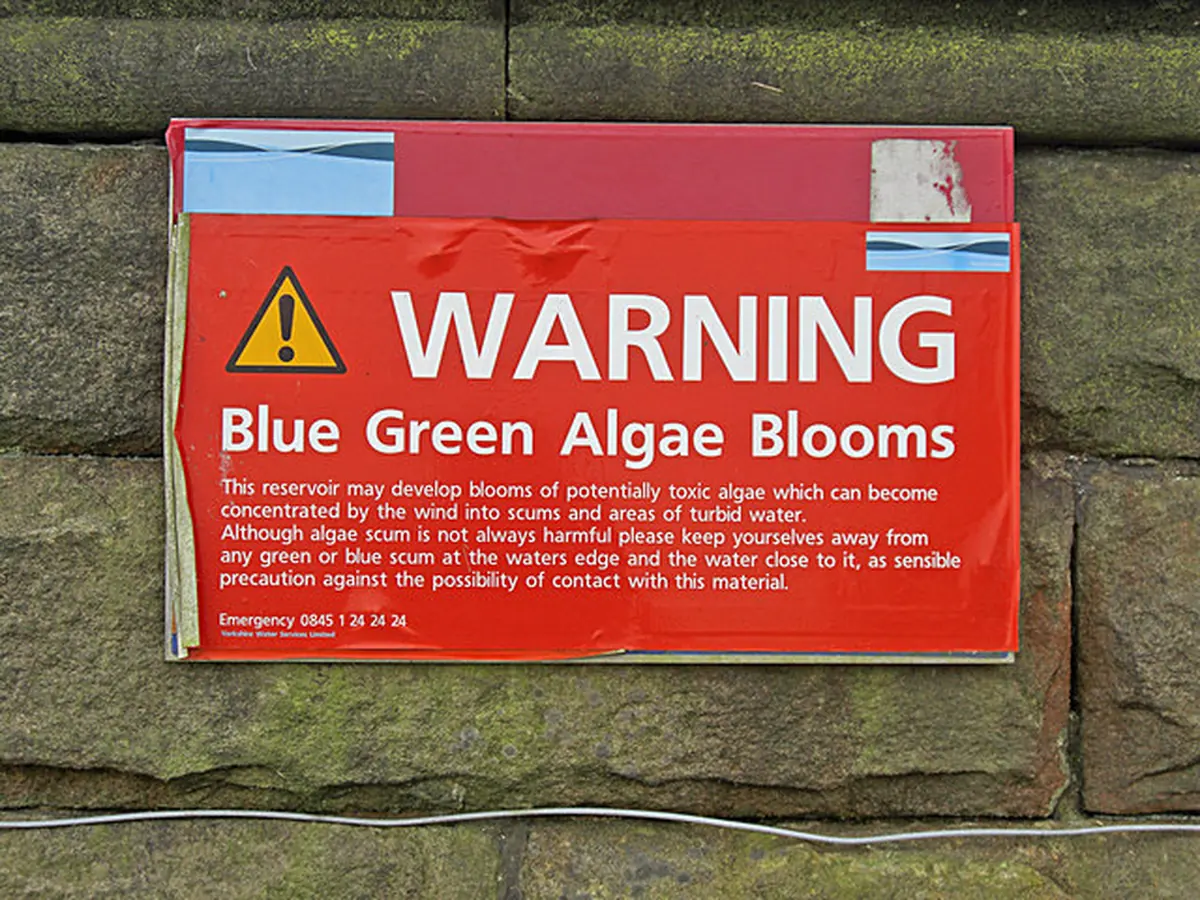
- A posted advisory or warning sign, even if the water looks clear

You can't tell if a bloom is toxic just by looking, and toxins can remain after the visible bloom fades. Wind also matters: it can push a bloom into one cove or onto the beach where your dog is about to swim, while the middle of the lake looks fine.
Can water look clean and still be toxic?
Yes. Some cyanobacteria don't float. They grow as dark mats attached to rocks and the bottom of rivers and streams, and pieces break off and wash up on the bank. California's water boards have warned that toxins can be present even when there's no visible bloom on the surface. Dogs find these washed-up mats interesting and sometimes eat them, which delivers a concentrated dose.
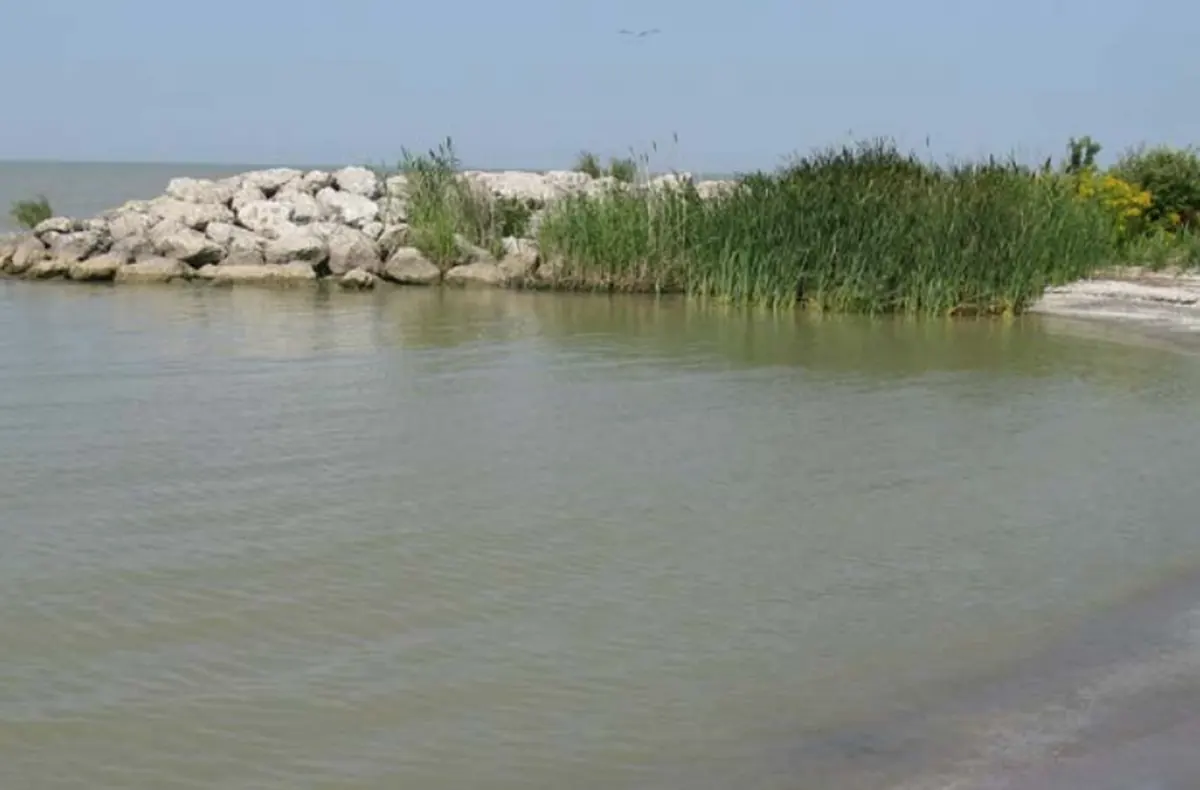
So "the water looks fine" is not a safety check. An advisory from your city or state is. If there's a sign at the water, obey it even on a clear day.
What are the symptoms in dogs?
According to CDC fact sheets, the most common signs are:
| Type | Signs |
|---|---|
| Digestive | Vomiting, diarrhea, foaming at the mouth, drooling |
| Neurologic | Stumbling, tremors, seizures, weakness, paralysis |
| General | Lethargy, behavior changes, difficulty breathing, pale gums |
Nerve toxins can cause signs within minutes, sometimes before you've even left the beach. Liver toxins may take a few hours, so a dog that seems fine at the lake can be very sick by evening. In a CDC-supported review of reports from 2007 to 2011, 58% of the 67 dog poisonings recorded were fatal. It's a small sample, but it shows how serious these cases are.
What should I do if my dog swam in suspicious water?
- Get your dog out and keep it from licking its fur.
- Rinse your dog thoroughly with clean water, wearing gloves if you can, and wash your own hands.
- Call your vet or an emergency clinic right away, even before symptoms. Say "possible toxic algae" so they're ready.
- Don't try to make your dog vomit at home unless a vet tells you to.
- If it's safe, note where your dog swam and take a photo of the water. It helps the vet and the health department.
- Report the bloom to your city or state environmental or health agency.
How do vets treat algae poisoning?
There's no antidote for cyanotoxins. Treatment is intensive supportive care: decontamination if the dog arrives early, IV fluids, oxygen, drugs to control seizures and, for liver toxins, medications that support the liver and sometimes blood products. Dogs with nerve-toxin poisoning may need help breathing.
Cornell describes the outlook for dogs that already have symptoms as poor to grave, but it's not hopeless. Dogs that survive the nerve-toxin form usually recover completely, and some dogs with liver damage pull through with aggressive treatment. The single biggest factor is time, which is why the advice to call before symptoms appear matters so much.
With nerve toxins, the window between "seems fine" and an emergency can be minutes. If your dog swam in or drank from water with scum, mats or a posted warning, call a vet on the way home rather than watching for signs.
When is the risk highest?
Blooms are most common in warm, sunny, calm weather, in still or slow-moving water rich in nutrients. A New York City veterinary alert noted that dog illnesses were reported most often in August and September. But blooms can happen in other months too, especially in the South, and long dry spells followed by heat can trigger them anywhere. Small ponds, retention ponds in housing developments and shallow coves heat up fastest.
How do I check if a lake or river is safe for my dog?
Check the official advisory before every swim, not once a season. Blooms can appear in days.
- Search "[your state] harmful algal bloom advisory". Many health or environmental departments publish maps in summer.
- Look at your city's parks page for the specific beach or off-leash area.
- Read any sign at the water's edge before your dog goes in.
- Look along the shoreline for scum, mats, dead fish or a bad smell.
- When in doubt, keep your dog on a leash and play fetch on land instead.
Which dog-friendly waters have warnings?
In our city guides, Austin is the clearest example: the city advises keeping dogs out of Lady Bird Lake, next to Red Bud Isle and Auditorium Shores, two places where dogs have swum for decades. See dog parks in Austin. Elsewhere, warnings tend to come and go with the season, so the safest habit is to check the day you go.
For the full beach checklist, including heat and what to pack, see dog beaches: rules, safety and what to pack. Puddles and standing water at the park carry their own risks, covered in leptospirosis in dogs.
How can I keep my dog safe around water?
- Bring fresh water so your dog isn't tempted to drink from the lake.
- Keep your dog leashed near water you don't know.
- Stay away from scum, mats and discolored water, including near the shore and on the bank.
- Don't let your dog eat dried algae, dead fish or anything washed up.
- Rinse your dog with clean water after any swim in natural water.
- Check local advisories before you go, every time.
Frequently asked questions
Can toxic algae kill a dog?
Yes, sometimes within hours. In one CDC-supported review, 58% of 67 reported dog poisonings from 2007 to 2011 were fatal.
What are the signs of algae poisoning in dogs?
Vomiting, diarrhea, drooling, foaming at the mouth, stumbling, tremors, seizures, weakness and lethargy. Go to a vet immediately.
How long after swimming do symptoms start?
Nerve toxins can cause signs within minutes. Liver toxins may take a few hours. Call a vet right after a suspicious swim instead of waiting.
How can I tell if algae is toxic?
You can't by looking. Keep your dog out of water that looks like pea soup or paint, has scum, foam or mats, or has a posted advisory.
Is there an antidote for algae poisoning?
No. Vets treat it with intensive supportive care, which works best when it starts early.
Is it safe for dogs to swim in Lady Bird Lake?
The City of Austin advises keeping dogs out of Lady Bird Lake because of toxic algae, which it links to six dog deaths since 2019.
Sources: Centers for Disease Control and Prevention, harmful algal bloom fact sheets for pet owners and veterinarians (cdc.gov) and CDC-supported review of canine intoxications reported to the Harmful Algal Bloom-related Illness Surveillance System, 2007–2011; US Environmental Protection Agency, harmful algal blooms and pets; Cornell University College of Veterinary Medicine, blue-green algae poisoning and freshwater HAB testing guidelines; New Jersey Department of Environmental Protection, harmful algal blooms and pets fact sheet; California State Water Resources Control Board notices on cyanobacteria; NYC Department of Health veterinary alerts; City of Austin advisory on Lady Bird Lake. This guide is general information, not veterinary advice.