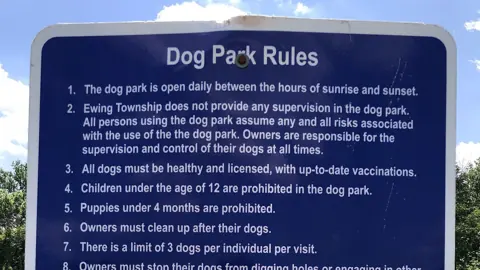
Wait until your puppy has finished the full puppy vaccine series, usually around 16 weeks, before taking it to a public dog park. Many city parks set the rule for you: Chicago, Houston and Nashville all post a minimum age of four months. Before that, socialize your puppy in safer places, like a puppy class that checks vaccines, which behavior experts recommend starting as early as 7 to 8 weeks.
In this guide
- How old does a puppy have to be for the dog park?
- Why are dog parks risky for young puppies?
- What do the experts say about early socialization?
- What are safe ways to socialize a puppy before the dog park?
- How do I know my puppy is ready for the dog park?
- How should the first dog park visit go?
- What if my city has no minimum age?
- Frequently asked questions
Those two pieces of advice can sound like they contradict each other: keep the puppy away from the park, but get it out into the world as early as possible. They fit together once you separate the two goals. The question is not whether a young puppy should meet the world, but where. The early weeks are for safe, chosen experiences. The dog park comes later, once the vaccines are done and the puppy has some confidence.
How old does a puppy have to be for the dog park?
For most puppies, about four months is the earliest sensible age, and only once the vet confirms the vaccine series is complete. That's not an arbitrary number. The American Animal Hospital Association's vaccination guidelines call for at least three doses of the core combination vaccine (which covers distemper and parvovirus) given 2 to 4 weeks apart between 6 and 16 weeks of age. Antibodies the puppy got from its mother can block the early doses, which is why the series runs until around 16 weeks: the last shot is the one most likely to take. Rabies is given according to state law, often between 12 and 16 weeks.
Here is how the first months fit together:
If your city has a posted minimum age, that's the rule regardless of vaccines. Chicago, Houston and Nashville all use four months. Many other parks post nothing, which doesn't mean a younger puppy is safe there.
Why are dog parks risky for young puppies?
Two reasons, one physical and one emotional.
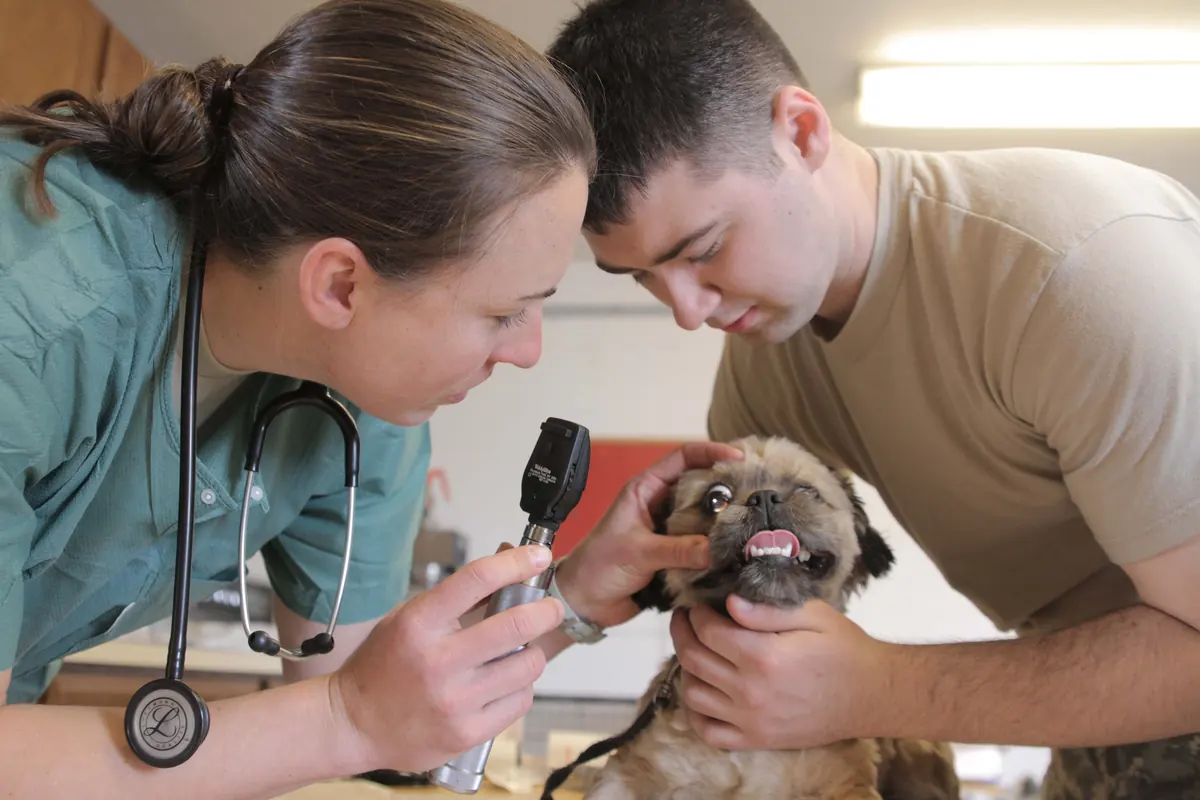
First, disease. Parvovirus spreads through the stool of infected dogs and is unusually tough: it resists many household cleaners and can survive in soil and grass for months. You can't see it, and it doesn't need a sick dog to be present that day. A puppy that hasn't finished its vaccines has little protection, and a dog park is exactly where many dogs with unknown health histories share the same ground and water bowl. Parvo in a young puppy causes severe vomiting and bloody diarrhea, often needs days in a hospital, and can be fatal. Kennel cough, giardia and intestinal worms also travel through shared spaces. Our guide to dog park diseases and vaccines covers the full list.
Second, behavior. A crowded park is a lot for a puppy. Adult dogs don't always tolerate puppy antics, and a correction that would be fine between two adults can terrify a ten-week-old. A bad scare from a rough adult dog during the sensitive early months can stick for years. A dog park gives you very little control over who your puppy meets, and you can't leave the fence and the gate behind you quickly if things go wrong.
What do the experts say about early socialization?
The American Veterinary Society of Animal Behavior (AVSAB) says the first three months are the main window for socialization, and that socializing puppies before they are fully vaccinated is the standard of care. Its position statement notes that poor socialization in that window can raise the risk of fear, avoidance and aggression later. Behavior problems are a common reason dogs are surrendered to shelters, so missing this window has real costs.
The key is controlled exposure: new people, sounds, surfaces and gentle dogs, in places where you know the risk is low. AVSAB's guidance for puppy classes:
- classes can start at 7 to 8 weeks;
- the puppy should have at least one set of vaccines at least 7 days before the first class, plus a first deworming;
- it should stay current on vaccines throughout the class, and show no signs of illness.
Good classes also clean floors with a disinfectant that works against parvo and keep sessions short, so play doesn't get out of hand.
What are safe ways to socialize a puppy before the dog park?
| Option | Why it works | Tip |
|---|---|---|
| Puppy class at a vet or trainer | Vaccines checked, cleaned floors, puppies of similar size and age | Ask how they disinfect and how they handle shy puppies |
| Play dates with known adult dogs | Vaccinated, calm dogs you trust, in a home or yard | Pick tolerant adults, not other puppies who play rough |
| Carrying the puppy around town | New sounds, people and places, without paws on shared ground | Sidewalk cafés, hardware stores that allow dogs, a bus stop |
| Meeting people at home | Kids, hats, beards, umbrellas, in a calm setting | Treats from each new person, never forced petting |
| New surfaces and sounds | Builds confidence for the outdoor world | Grates, wobbly cushions, a recording of traffic at low volume |
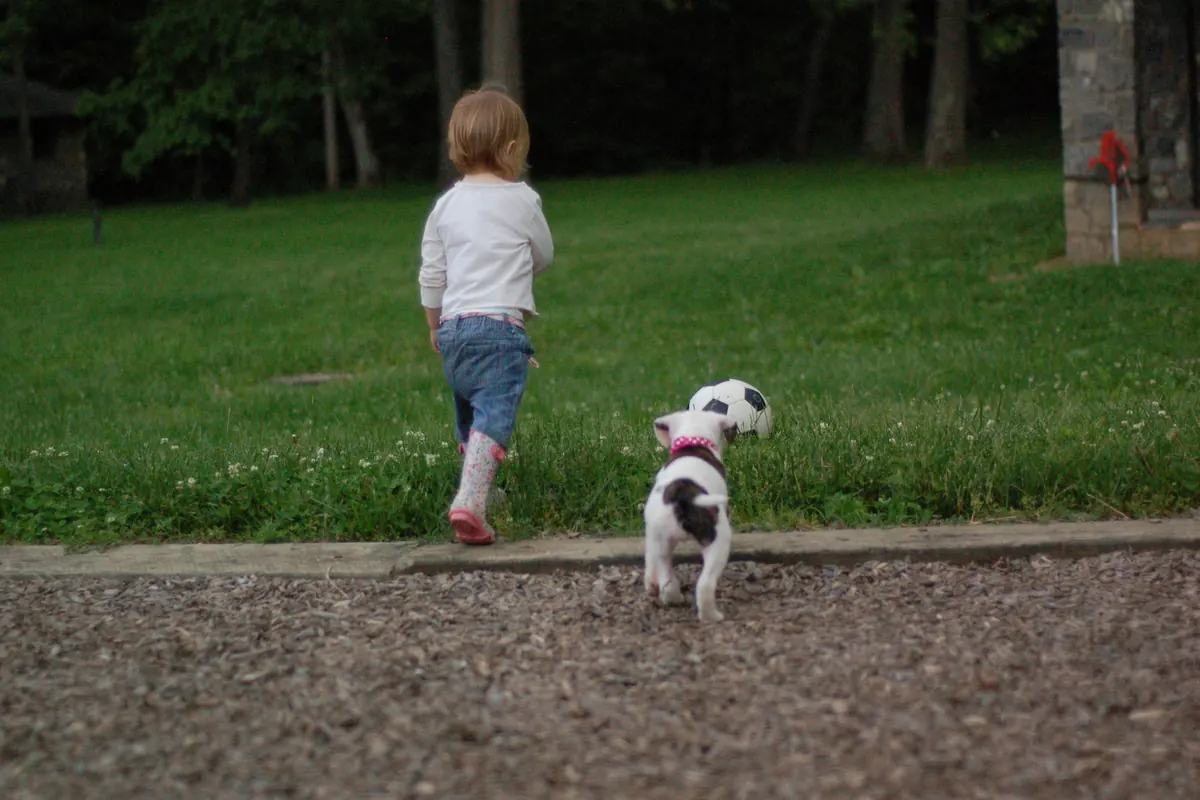
Quality matters more than quantity. One relaxed meeting where the puppy chooses to approach is worth more than ten where it's passed from hand to hand. If your puppy hides or freezes, back off, give it space and try again later from farther away.
How do I know my puppy is ready for the dog park?
Check three things before the first visit:
- Vaccines done. Puppy series complete, including rabies when your city requires it. Ask your vet when it's safe.
- Minimum age at your park. Read the sign at the gate. Several cities use four months.
- License tag, if required. Many cities require it from the age the rabies shot is due.
- Comes when called most of the time, even with a mild distraction.
- Recovers quickly from a startle and enjoys other dogs rather than hiding.
Our checklist is your dog ready for the dog park? goes through the behavior part in detail.
How should the first dog park visit go?
- Go at a quiet time, like a weekday morning.
- Pick the small-dog area if your park has one and your puppy fits the weight limit.
- Watch from outside the fence for a few minutes first. Skip it if play looks rough or crowded.
- Keep it short: 10 to 15 minutes, and leave while your puppy is still having fun.
- Bring your own water. Skip the shared bowl.
- Stay close and keep treats in your pocket, not in your hand, so other dogs don't crowd you.
Several dogs chasing your puppy at once, an adult dog that keeps pinning it, or your puppy trying to hide under a bench or behind your legs. Pick it up calmly and go. One bad visit is easier to fix than five.
The rules every owner should know are in our dog park etiquette guide, and dog body language at the park explains how to tell play from trouble.
What if my city has no minimum age?
Then the vaccine rule is your guide. A missing sign doesn't mean the park is safe for a puppy that hasn't finished its shots. Rules by city, including which ones require a license or extra vaccines, are in dog park rules in 20 US cities.
Frequently asked questions
How old does a puppy have to be to go to a dog park?
Most vets advise waiting until the puppy vaccine series is complete, usually around 16 weeks. Chicago, Houston and Nashville post a minimum age of four months at their parks.
Can I socialize my puppy before it's fully vaccinated?
Yes, in controlled settings. AVSAB recommends puppy classes starting at 7 to 8 weeks, with at least one vaccine set given at least 7 days before the first class.
Why are dog parks dangerous for puppies?
Unvaccinated puppies can catch parvovirus and other diseases from shared ground and water, and a crowded park can frighten a young puppy.
How long does parvo last in the ground?
Parvovirus is very hardy and can survive in soil and grass for months, which is why vaccination, not cleaning, is the main protection at a dog park.
Is a puppy class safer than a dog park?
Yes. Classes check vaccines, clean the space and match puppies by size and age.
Sources: American Animal Hospital Association, 2022 Canine Vaccination Guidelines; American Veterinary Society of Animal Behavior, Position Statement on Puppy Socialization (avsab.org; also reported by AVMA News and dvm360); posted dog park rules from Chicago, Houston and Nashville, compiled in our city guides. This guide is general information, not veterinary advice; ask your vet about your puppy's vaccine schedule.