Stop the barking at guests by figuring out which bark it is, then giving the dog a job that is incompatible with barking, usually a sit or a down on a spot away from the door. The ASPCA says you have to name the motive before you can change the barking, and that the realistic goal is less barking, not a silent dog.
In this guide
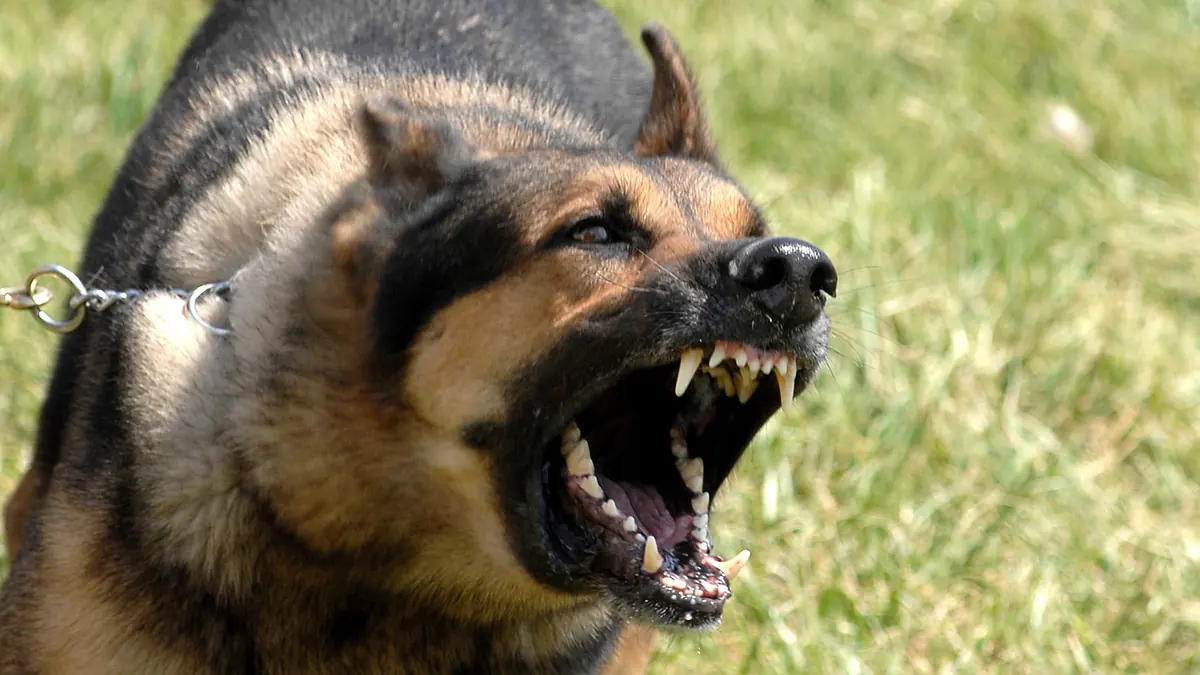
Holiday weeks manufacture this problem. More knocks, more strangers, more noise. The ASPCA splits door barking into types that look similar and are trained differently. A loose, wiggling, tail-wagging bark at the bell is a greeting. A stiff bark that lunges an inch forward is an alarm. A bark that says "go away" at the property line is territorial. Punishing all three the same way is how people get a dog that stops making noise and then bites without the warning.
Which bark is your dog using?
The ASPCA's barking page asks four questions: when and where, who the target is, what triggers it, and why. For guests, the useful split is:
| What you see | ASPCA's label | First move |
|---|---|---|
| Relaxed body, wagging, whining, barking at the door and at people on walks | Greeting | Low-key hellos. Sit or a toy in the mouth before the petting. |
| Stiff body, a little pounce forward with each bark, at sights and sounds even away from home | Alarm | Block the view. Teach "quiet," then a spot away from the door. |
| Barking when people or dogs approach the house, yard or car | Territorial | Same management as alarm, plus no greetings at the gate. The ASPCA warns that scolding may not touch the motive, and that suppressing the bark can leave a bite with no warning. |
| Barking at you until you open the door, throw the toy, or look at them | Attention | Ignore the noise, including the scolding. Pay the quiet. |
The ASPCA also names compulsive barking, barking because other dogs are barking, and frustration barking when the dog is tied or cannot reach a playmate. Those are different problems. A dog that barks only when you leave may be dealing with separation anxiety, which the ASPCA says usually comes with pacing, destruction or house soiling, and which needs the separation-anxiety article on their site, not a door trick. Pain can cause barking too. The ASPCA says to have a veterinarian rule out a medical cause before you treat barking as only a habit. That is a checkup, not a diagnosis this page can make.
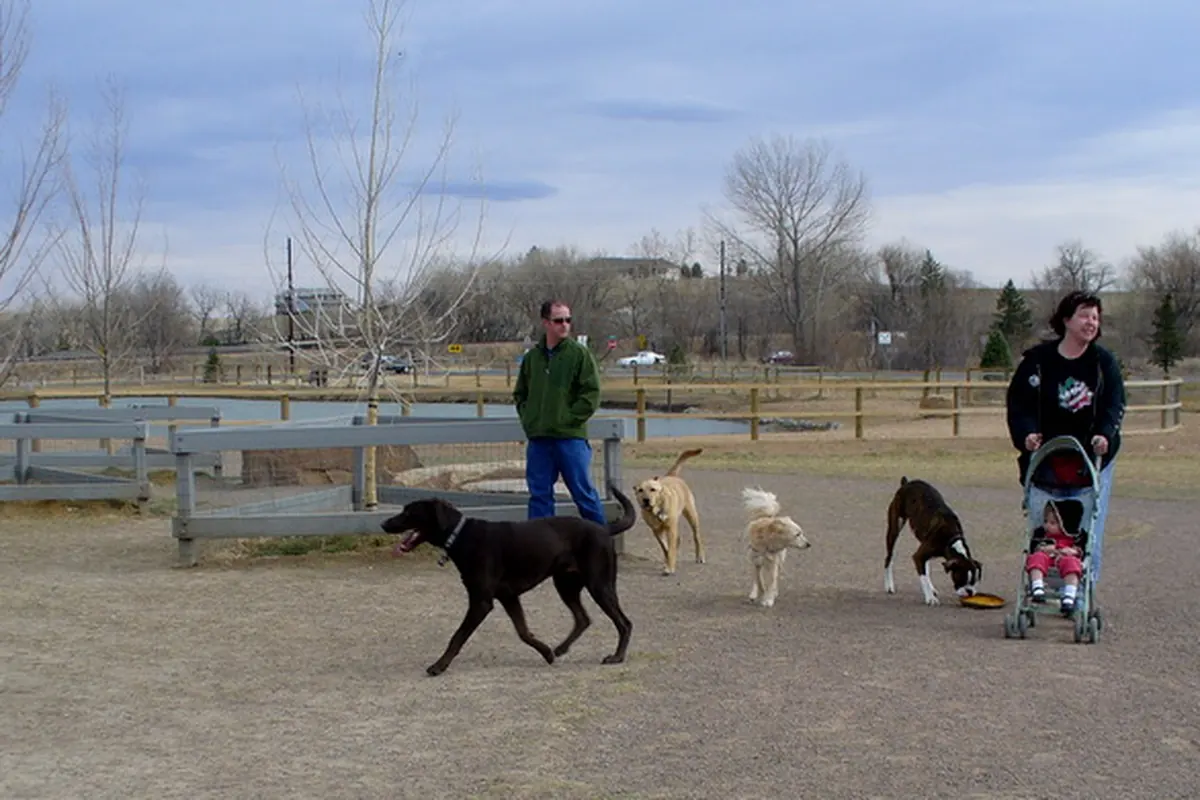
What does the ASPCA say not to do?
Do not expect the dog to stop barking entirely. The ASPCA compares that to asking a person to stop talking. Do not yell as your only tool for territorial barking. They say the dog may ignore it, and if the bark is the warning, removing the warning without removing the fear can mean a bite you did not hear coming. Do not let the dog practice the full chorus at the front window all day. Every rehearsal makes the next one easier.
Scolding is attention. For attention barking, the ASPCA says any look, touch or talk, including a lecture, can be the reward the dog was buying with the noise.
How do you set up the door before guests arrive?
Management first, the way the ASPCA orders it. Block the sightline to the sidewalk with film on the glass or by closing a door. Do not let the dog greet at the threshold or at the yard gate. Pick a spot at least eight feet from the door if you can, still in sight: a crate, a mat, a corner of the next room. Teach "go to your spot" before anyone knocks. The ASPCA's sequence is long on purpose. Short version, in their order:
- The dog already knows sit or down, and stay, with no guests in the house.
- Say "go to your spot," toss a treat onto the mat, and repeat until the dog moves there on the words.
- Ask for a sit or a down on the mat. Reward. Release with an "okay."
- Add a short stay. Grow it to 30 seconds while you are still next to the dog. If the dog breaks, make the stay shorter, not louder.
- Walk toward the door and come back, treating the stay. Only then pretend to greet someone.
- Rehearse with a friend who knocks, leaves, and knocks again, many times in one session. The ASPCA suggests on the order of 10 to 20 repetitions with the same person so the novelty drops.
- On a real visit, send the dog to the spot when the bell rings. Wait about a minute after people sit down before you release. Use a leash if the dog jumps. Then a chew on the mat.
That is a training project, not a hack for tonight. If the party is tomorrow and the dog has never held a stay, put the dog in a quiet room with a chew before the first guest, and start the mat work next week. A baby gate and a closed door are management. They count.
The ASPCA says territorial barking can be fear plus a threat the dog expects. Do not force a greeting to "show the dog it's fine." Send the dog to the spot, or to another room, until a trainer has seen the dog.
What if the bark is a happy greeting?
Keep the hello boring. The ASPCA says to teach sit and stay for meetings, practiced first with nobody at the door. A favorite toy by the door gives the mouth a job. A dog holding a toy is less able to bark. You will probably still get a whine. On walks, pay the dog with food for passing people without a greeting, before the bark starts. Some dogs sit as the person passes. Some do better if they keep walking. Reward the quiet choice either way.
Holiday guests undo this if they squeal and pat the dog for the bark. Tell them the rule in one sentence before they come in: ignore the dog until it is sitting, then a calm hello. The house version of that script is in bringing your dog to Thanksgiving. Kids need the same rule, which is why kids at dog parks exists. A child running at a barking dog is the trigger, not the cure.
How do you teach "quiet" without scaring the dog?
The ASPCA offers two versions for alarm and territorial barking, after you have already reduced what the dog can see. One: let three or four barks happen, say "quiet" calmly, gently hold the muzzle closed and repeat the word, then release, call the dog away, ask for a sit, and pay. They say to skip the muzzle hold if it scares the dog or makes it struggle. The other version: say "quiet" and feed a stream of tiny treats until the barking stops, then stretch the gap between the word and the food over many days, from a couple of seconds upward.
If neither works after 10 to 20 tries, the ASPCA describes a brief startling noise, such as keys or a can of pennies, the instant after you say "quiet," then a sit and treats when the bark stops. If that also fails, they send you to a qualified behavior professional: a certified applied animal behaviorist, a board-certified veterinary behaviorist, or a certified professional dog trainer. That referral is the right end of a holiday plan that is not working. We are not that professional, and we have not seen your dog.
Say "quiet" in a normal voice. The ASPCA specifically says not to shout the cue. Shouting is just a second bark from a taller animal.
What does a week of practice look like?
Five short sessions, not one exhausted hour. Day one is the mat with no doorbell. Day two is you walking to the door. Day three is a friend who knocks and leaves, on repeat. Day four is the same friend coming in and sitting. Day five is a different person. Real guests only after the rehearsed ones are boring. If you are also teaching "leave it" for food on the coffee table, that is a separate skill, in how to teach leave it. Do not stack both new cues in the same chaotic minute.
At the dog park, alarm barking at other dogs is a different doorway. The ASPCA's walk advice still applies: food in front of the nose before the bark, or a sit as the other dog passes. If the park is the place the barking always happens, shorten the visit. Etiquette for when play is too much is in dog park etiquette.
Frequently asked questions
How do I stop my dog from barking at guests?
Identify the bark, block the view of the door, and teach a sit or a down on a spot away from the threshold before anyone knocks. The ASPCA's goal is less barking, not none.
Should I yell "quiet"?
No. The ASPCA says to say the word calmly. Yelling can be meaningless to a territorial dog, and for an attention barker it can be the reward.
What if the dog is wagging?
That pattern, with a loose body and often a whine, is greeting barking. Use a boring hello and a sit, or a toy in the mouth. Do not treat it like a guard dog.
What if holding the muzzle makes it worse?
Stop. The ASPCA says to use a stream of small treats after the cue instead, or to get a trainer if the dog is scared or struggling.
Can I fix this the night before a party?
Not really. Put the dog in a quiet room for that party, and start the mat practice on a normal week. The ASPCA's door routine takes many repetitions with the same helper.
Sources: ASPCA, "Barking" (aspca.org/pet-care/dog-care/common-dog-behavior-issues/barking), including the types of barking, the warning about punishment and bites, the "quiet" steps, and the "go to your spot" sequence. The page also says to rule out pain with a veterinarian before you treat barking as purely behavioral. Read Nov. 2026. This is general information, not a diagnosis.