Yes. In almost every big US city, a dog license is required by law once your dog is a few months old, and it usually costs between $5 and $50 a year for a spayed or neutered dog, and more for an intact one. In New York City it's $8.50 a year for a spayed or neutered dog; in Seattle it's $45. Most city dog parks also expect your dog to be licensed and vaccinated for rabies.
In this guide
- How much is a dog license in big US cities?
- Why do I need a dog license?
- Do I have to put the tag on the collar?
- Is a microchip the same as a license?
- How do I get a dog license?
- Do I need a separate license for the dog park?
- How do I keep the license from lapsing?
- I just moved. Do I need a new license?
- What happens if my dog isn't licensed?
- Frequently asked questions
The license itself is cheap. Skipping it is what gets expensive: if your dog gets lost, the tag is the fastest way home, and if there's ever a bite at the park, it's the first thing anyone asks for.
How much is a dog license in big US cities?
Here's what six large cities and counties publish on their official pages:
| City | Spayed or neutered | Not spayed or neutered | Good to know |
|---|---|---|---|
| New York City | $8.50 / year | $34 / year | Buy up to 5 years at once; $2 late fee per year missed |
| Chicago | $5 / year | $50 / year | Required from 4 months; seniors 65+ pay $2.50 or $5 |
| Seattle | $45 / year | $105 / year | 50% off altered licenses for seniors and people with disabilities |
| Boston | $15 / year | $30 / year | Required from 6 months; renew before April 1; free for owners 70+ |
| Denver | $15 / year | Intact dogs also need a permit; one free license for seniors | |
| Los Angeles County (unincorporated areas) | $20 / year | $60 / year | $7.50 for seniors and disabled veterans with altered dogs; cities inside the county set their own fees |
Two patterns stand out. First, every one of these places charges more for an intact dog, sometimes much more. Chicago's unaltered fee is ten times the altered one. It's a deliberate push toward spay and neuter. Second, nearly all of them offer discounts for seniors, and some for people with disabilities or veterans. If that's you, it's worth asking.
Why do I need a dog license?
- It's the law. City and county codes require it. Chicago's municipal code, for example, requires every dog four months and older to be registered.
- It proves rabies vaccination. Most licenses require a current rabies certificate, so the tag tells animal control your dog is vaccinated.
- It gets lost dogs home. Shelters and animal control look up the tag number first.
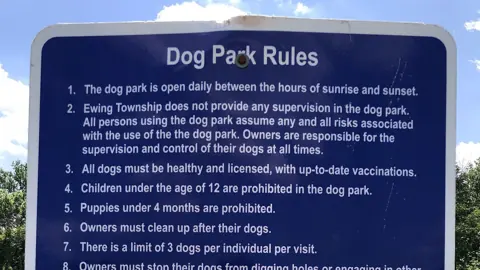
- Dog parks expect it. In our comparison of 20 cities, most official off-leash areas list a license and rabies vaccination as entry conditions.
Do I have to put the tag on the collar?
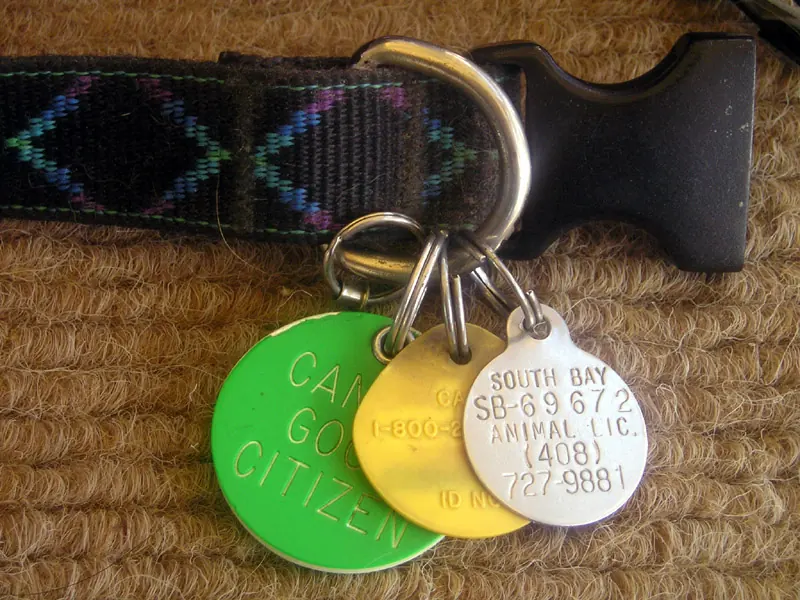
Rules differ, and this is where cities really diverge. From the official rules we compiled for our city guides:
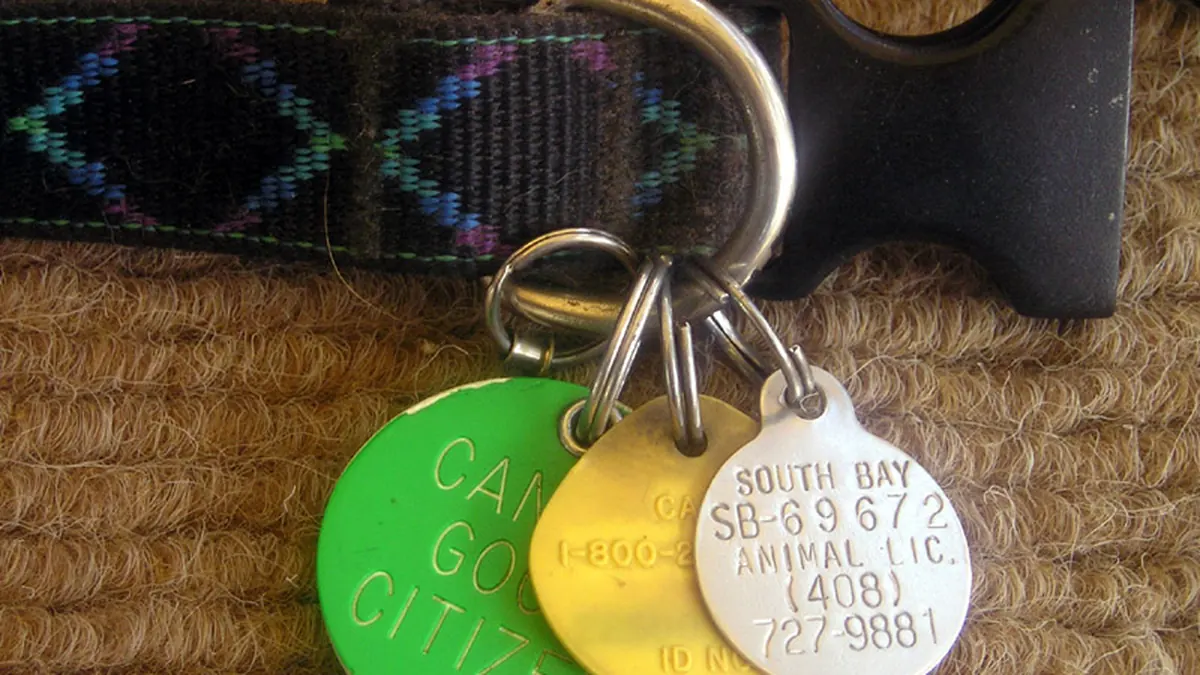
- Houston wants both the city registration tag and the rabies tag on the collar.
- San José wants proof of license worn by the dog.
- New York requires owners to carry proof of license and rabies vaccination in public.
The simplest habit is to keep both tags on the collar all the time. The full table, with links to each city's rules, is in Dog Park Rules in 20 Big US Cities, Compared.
Is a microchip the same as a license?
No. A microchip is a permanent ID under the skin that a shelter or vet can scan. A license is a legal registration with your city, tied to rabies vaccination, and usually renewed every year. They work best together: the chip can't fall off, and the tag can be read by any neighbor without a scanner.
How do I get a dog license?
- Get your dog vaccinated for rabies and keep the certificate.
- Find out who licenses dogs where you live. In most cities it's the animal shelter or animal services department; in Chicago it's the City Clerk; in New York it's the Department of Health.
- Apply online, by mail or in person. Most big cities have an online form.
- Bring proof of spay or neuter to get the lower fee.
- Put the tag on the collar and set a reminder for the renewal date. Some cities, like New York, let you buy several years at once.
If you live in a suburb, check your own city or county, not the big city next door. Fees and rules can change a lot from one town line to the next. Los Angeles County is a good example: the county sets one fee schedule for unincorporated areas, and many cities inside it set their own.
Do I need a separate license for the dog park?
In most cities, no: the regular city license is enough. Two of the 20 cities in our guides are exceptions. Chicago requires a separate Dog Friendly Area tag, $10 per dog per year, from a participating vet, and using a DFA without it can mean a $500 fine. Indianapolis runs a paid pass system for its dog parks, $75 a year or $5 a day. Details are in our Chicago and Indianapolis guides.
How do I keep the license from lapsing?
- Put the renewal date in your phone calendar with a two-week reminder.
- Line it up with the rabies booster, since most licenses depend on it.
- Buy a multi-year license if your city offers one (New York sells up to five years).
- Update your address and phone with the city and the microchip registry when you move.
- Check the tag every few months; worn or lost tags can usually be replaced for a small fee.
I just moved. Do I need a new license?
Usually yes. Licenses are issued by your city or county, so a tag from your old city doesn't count in your new one. Many cities give new residents a short window to license a dog; your new city's animal services page says how long. Bring your rabies certificate and proof of spay or neuter, and update your microchip registration with your new address at the same time.
What happens if my dog isn't licensed?
Usually a fine and a requirement to license, often found out after a lost-dog pickup, a bite report or a complaint. Some cities run occasional enforcement drives. Fine amounts vary widely: in city codes we checked, a first offense ranged from about $25 to $300, and many cities raise the fine for repeat violations. Minneapolis, for example, has considered doubling its unlicensed-pet fine from $100 to $200. Chicago's separate Dog Friendly Area tag carries a fine of up to $500 if you use a DFA without it.
The bigger cost is often indirect. A dog picked up without a license or a readable ID usually waits longer at the shelter, and many shelters charge impound and boarding fees by the day before a dog can go home. A current tag with a number on it is the quickest way to skip that.
The fine almost always costs more than years of licensing would have.
Frequently asked questions
How much does a dog license cost?
In big US cities, usually $5 to $50 a year for a spayed or neutered dog and more for an intact dog. New York charges $8.50 and $34, Chicago $5 and $50, Seattle $45 and $105, Boston $15 and $30.
At what age does a dog need a license?
It depends on the city, usually from four to six months. Chicago requires registration from four months; Boston from six months.
Do I need a license to use a dog park?
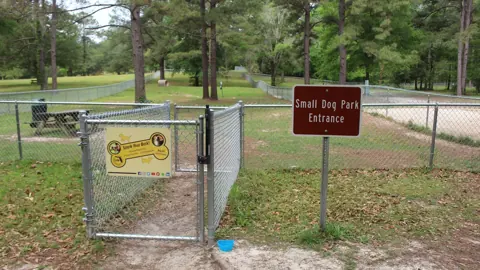
Most city-run dog parks require a current license and rabies vaccination, and some require the tags on the collar. Check the sign at the gate.
Is a microchip enough instead of a license?
No. A microchip is ID; the license is a legal registration tied to rabies vaccination. Most cities require the license even if your dog is chipped.
Are there discounts on dog licenses?
Often. Many cities discount or waive fees for seniors, people with disabilities and veterans, and almost all charge less for spayed or neutered dogs.
Sources: NYC Department of Health and Mental Hygiene, "Dog Licenses" (nyc.gov); City of Chicago, dog registration flyer and Municipal Code 7-12-140 (chicago.gov); Seattle Animal Shelter, "Licensing fees," effective Jan. 2, 2025 (seattle.gov); City of Boston, dog licensing (boston.gov); Denver Animal Shelter, "Pet Licensing" (denvergov.org); Los Angeles County Department of Animal Care and Control, license fee schedule effective July 1, 2026 (animalcare.lacounty.gov); municipal codes of Greenfield (California), Manassa (Colorado) and Ashton (Idaho) for fine ranges; CBS Minnesota, "Minneapolis raises fines for unlicensed pets." Fees checked October 2026 and can change; confirm with your city.