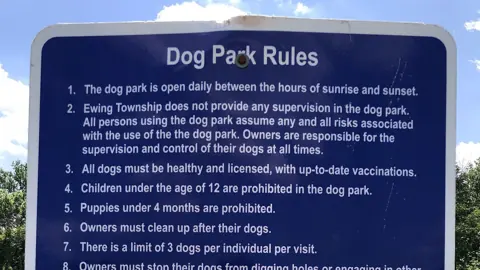
If a dog bites you or your dog at the park, first separate the dogs and step away safely, then wash the wound with soap and running water for several minutes and get medical or veterinary care. Before you leave, swap names, phone numbers and rabies vaccine details with the other owner, and report the bite to your local animal control or health department. In most places, the biting dog is then watched for 10 days to rule out rabies.
In this guide
- What should I do right after a bite?
- What information should I collect before leaving?
- When does a person need a doctor after a dog bite?
- What happens to the dog that bit?
- What if my dog was bitten by another dog?
- What if my dog bit someone?
- Who is responsible for a dog bite at a dog park?
- How common are dog bites?
- How can I reduce the risk of bites at the park?
- Frequently asked questions
A bite is stressful, and it's easy to leave without the one piece of information you'll need later: proof that the other dog is vaccinated against rabies. Get that before anyone drives off.
What should I do right after a bite?
- Separate and leave the area. Leash your dog and move away from the dogs involved. Don't reach between dogs that are still fighting; see how to break up a dog fight.
- Wash the wound. Soap and running water, for several minutes. This is the first step the CDC recommends after any animal bite.
- Get information. The other owner's name and phone number, the dog's description and rabies vaccine status. A photo of the tag or certificate helps.
- Talk to witnesses. Ask for a phone number from anyone who saw it.
- Get care. A doctor for people, a vet for your dog. Bites look small on the skin and go deeper underneath.
- Report it. Call animal control or the health department, depending on your city.
What information should I collect before leaving?
Write it down or put it in your phone notes right there. People mean well, but phone numbers get mistyped and memories fade within a day.
- The other owner's full name and phone number, and ideally an address
- The dog's name, breed or description, color and size
- A photo of the rabies tag, license tag or vaccine certificate
- The name of the dog's vet clinic, so the vaccine can be confirmed
- Names and phone numbers of anyone who saw it
- Photos of the wound, the spot where it happened and the park sign
- The date, time and park name
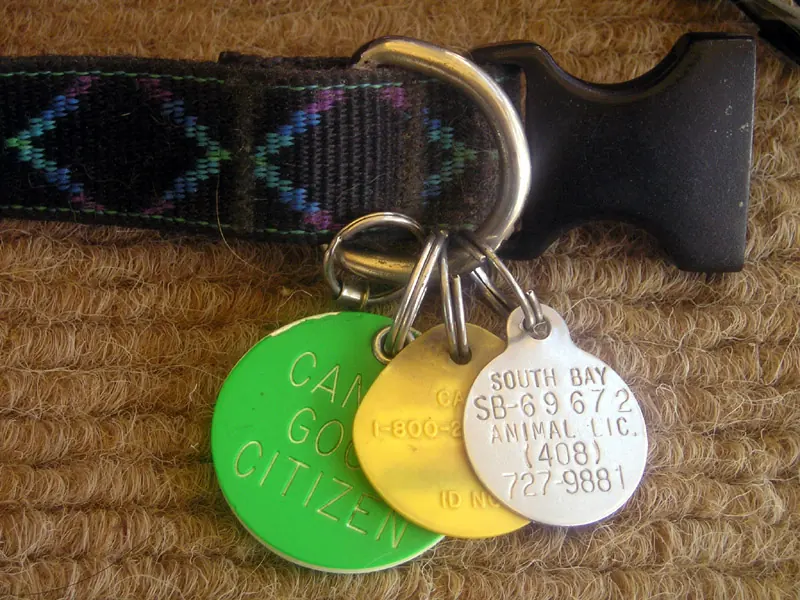
If the other owner refuses to share anything or leaves, note what you can (the dog, the person, their car and plate) and give it to animal control. That's exactly the situation the bite report exists for.
When does a person need a doctor after a dog bite?
The CDC advises seeing a healthcare provider after an animal bite, especially when:
- the wound is deep, won't stop bleeding or is on the face, hands or feet;
- you don't know the dog or can't confirm it's vaccinated against rabies;
- signs of infection appear: redness, swelling, warmth or pus;
- your tetanus shot isn't up to date.
Your provider decides whether you need antibiotics or rabies post-exposure treatment. Don't skip that conversation because the bite seems small.
What happens to the dog that bit?
In most US jurisdictions, a dog that bites a person is confined and observed for 10 days. A dog that is healthy at the end of that period could not have passed rabies in the bite, which is why the CDC uses the 10-day observation as the standard. The confinement is often at home for a vaccinated dog, but the rules depend on your state and city.
A bite report doesn't automatically mean the dog is labeled dangerous. That usually takes more than one incident or a serious injury, again depending on local law.
Pain and fear make even a gentle dog snap. Before you check the wound, keep your face away from its mouth, move slowly and, if it's growling or snapping, loosely wrap a towel or jacket around its head and body or ask someone to hold the leash short. Then get it to the vet.
What if my dog was bitten by another dog?
- Check the whole body, not just the spot you saw. Thick fur hides punctures.
- See a vet the same day. Puncture wounds close on the surface and trap bacteria underneath.
- Bring the other dog's rabies information. If it can't be confirmed, your vet may recommend a rabies booster for your dog.
- Keep your dog out of the park until the wound heals.
At the clinic, the vet usually clips the fur around each wound to see its real size, flushes it and checks for deeper damage. Some punctures need a drain or stitches, and many dogs go home with antibiotics, pain relief and a cone to stop licking. On the way, you can press clean gauze or a cloth on anything that's bleeding; leave cleaning and creams to the vet.
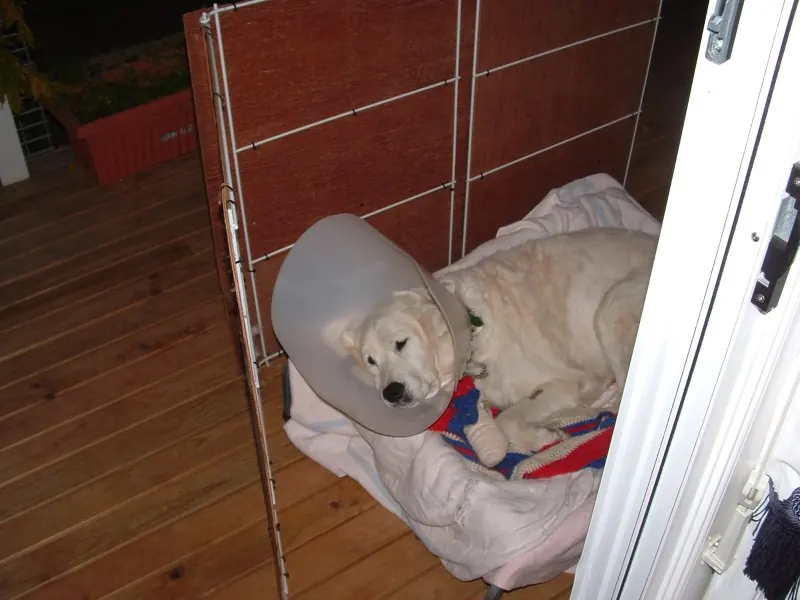
Over the next days, check the wounds twice a day. Call the vet if there's swelling, heat, a bad smell, discharge, or if your dog stops eating or seems lethargic. An abscess can form under a bite that looked closed, often a few days later.
What if my dog bit someone?
Stay, help and share your information. Show proof of rabies vaccination, cooperate with animal control and follow the observation rules. Leaving the scene makes everything worse, legally and for the other person, who now has to go through rabies treatment decisions without information about your dog.
Then think about why it happened. Crowding at the gate, a toy, a tired dog after an hour of play? Our guides on dog body language at the park and whether your dog is ready for the dog park help you spot the signs early.
Who is responsible for a dog bite at a dog park?
Usually the owner of the dog that bit, but the rules vary a lot by state. Some states hold owners strictly liable, and others look at whether the owner knew the dog could bite. Most park signs say you use the park at your own risk, and many cities require you to stay in control of your dog at all times. For a specific case, talk to a local attorney or your homeowner's or renter's insurance, which often covers dog bite claims.
How common are dog bites?
Very common. The CDC estimates that about 4.5 million people are bitten by dogs every year in the US, and more than 800,000 of them get medical care. Children are the most likely to be injured, which is one reason many dog parks set a minimum age or require kids to be with an adult. Most bites come from a dog the person knows, not a stranger's dog, so the habits below matter at home as much as at the park.
How can I reduce the risk of bites at the park?
- Watch your dog all the time, not your phone.
- Unclip in the entry pen, and don't let dogs crowd the gate.
- Leave toys and food at home if dogs compete for them.
- Leave early when play gets rough or your dog seems tired or tense.
The full list is in our dog park etiquette guide.
Frequently asked questions
What should I do if a dog bites me at the dog park?
Wash the wound with soap and water for several minutes, get the owner's contact and rabies vaccine information, see a healthcare provider and report the bite to animal control.
Do I have to report a dog bite?
Many states and cities require bites to people to be reported to animal control or the health department. Healthcare providers often report them too.
What is the 10-day quarantine after a dog bite?
The biting dog is confined and observed for 10 days. If it stays healthy, it could not have transmitted rabies through the bite.
Should I take my dog to the vet after a dog bite?
Yes, the same day. Puncture wounds can look minor and become infected underneath.
What should I write down after a dog bite?
The other owner's name and phone, the dog's description, a photo of its rabies or license tag, witness contacts, and photos of the wound and the place, plus the date and time.
Who pays for a dog bite at a dog park?
Usually the owner of the dog that bit, but liability rules vary by state. Homeowner's or renter's insurance often covers dog bite claims.
Sources: Centers for Disease Control and Prevention, guidance on animal bites and rabies exposure, including wound washing and the 10-day observation of dogs, cats and ferrets, and CDC estimates of dog bite injuries in the US (cdc.gov); posted rules from city dog parks compiled in our city guides. This guide is general information, not medical, veterinary or legal advice.