The first 30 days with a newly adopted senior dog are a quiet routine: one room, the same walking route, meals on a schedule, and a vet visit you book before the dog comes home. The ASPCA uses November as Adopt a Senior Pet Month and says older pets are often already used to living in a house, which is the advantage. It is not a promise that day one looks like day thirty.
In this guide
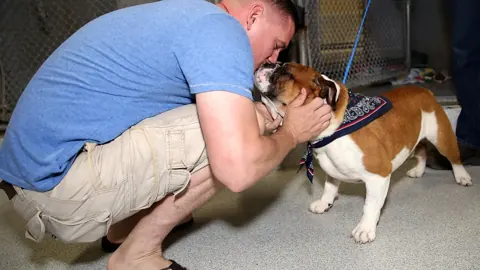
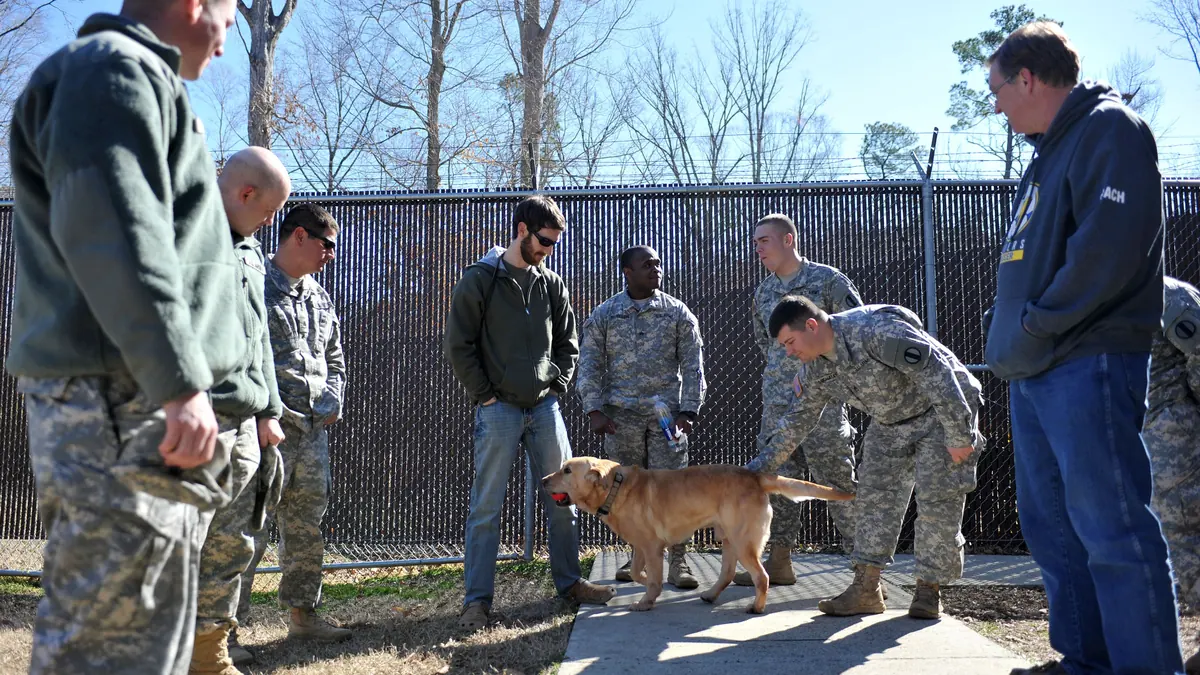
Shelters and the ASPCA describe the same pattern. Senior dogs are passed over, many are housetrained, and their adult personality is visible in a way a puppy's is not. The first month is when you find out which parts of that description are true for this dog, in your hallway, with your hours. The photo on this page is not a shelter senior. It is a 2014 Air Force adoption of a former military working dog. The rules below are about pet adoption from a shelter or rescue, which is a different door.
What does Adopt a Senior Pet Month actually mean?
The ASPCA has said for years that November is Adopt a Senior Pet Month. A Nov. 3, 2025 ASPCA post says the organization celebrates it every November and points people who do not live near its adoption centers to their local shelter, and to fostering if they are not ready to adopt. A Nov. 13, 2018 ASPCA post lists the practical reasons people give for choosing an older animal:
- Senior pets do not need the constant monitoring and training that puppies and kittens need.
- Many are already housetrained.
- They are fully grown, so size, coat care and personality are visible before you sign.
- They are often the last animals adopted, which is why the month exists.
A Nov. 7, 2025 note about one ASPCA event in New York said animals 6 years or older had adoption fees waived at that event, and that the usual fee was typically $150, while supplies lasted. That was one event, one weekend, one city. It is not a national coupon. Ask the shelter you are actually visiting what "senior" means on their kennel card and what the fee is this week. Petfinder is the search tool a lot of those shelters already use. The ASPCA's 2025 post tells you to start local if you are not in their region.
What should the first 72 hours look like?
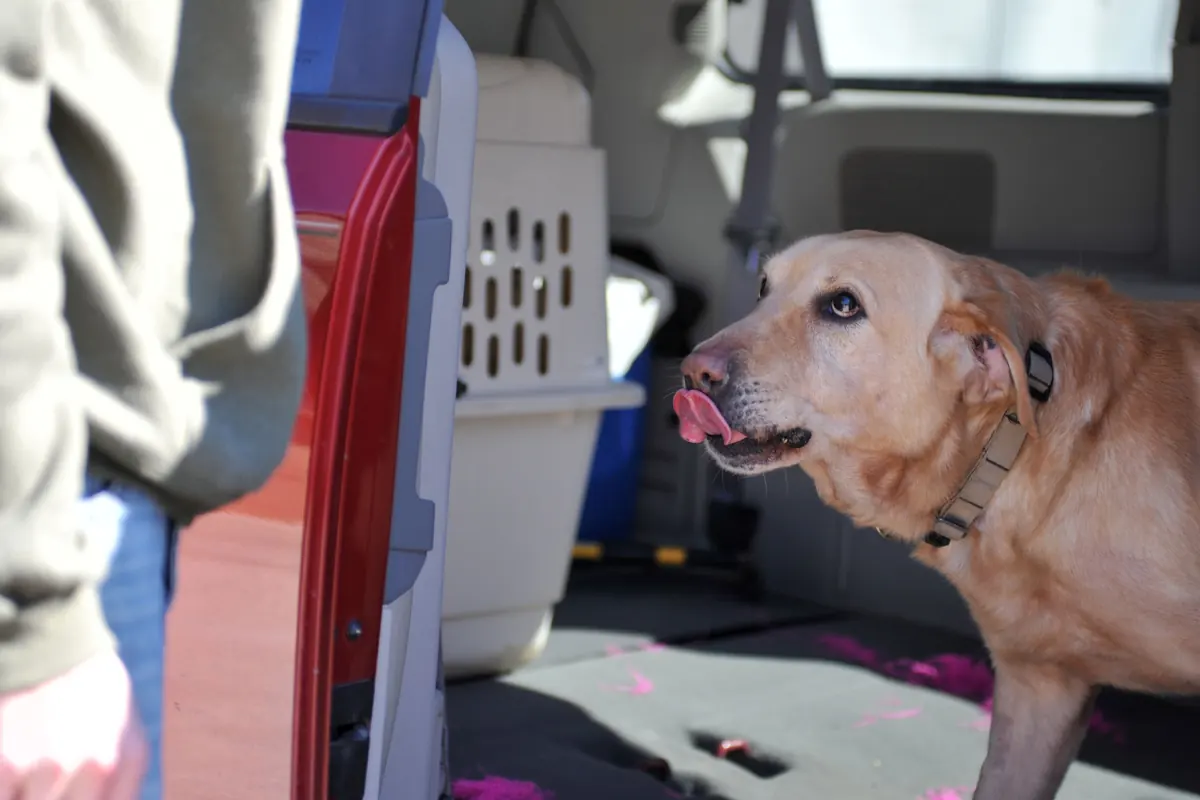
Smaller than the welcome you pictured. One room, a leash even indoors if the dog does not know the doors, and no parade of visitors. The ASPCA's point that an older dog may already know a house is a reason to hope, not a reason to throw a party. Feed the food the shelter was feeding, on the schedule they used, and change it later if you and the clinic decide to. A sudden new diet on night one is how a good dog gets a bad reputation with the carpet.
- Set up a crate or a bed in a quiet room before you pick the dog up. The dog should see it before the car ride ends in chaos.
- Walk the same short loop so the dog learns one door, one corner, one place to relieve itself.
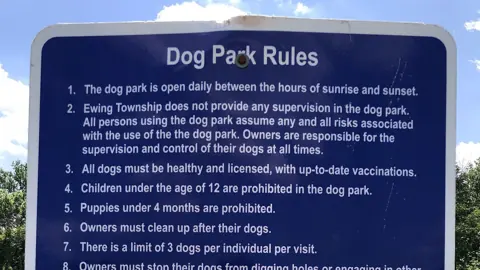
- Skip the dog park. A senior who just lost a home does not need thirty strange dogs. The park guide for later, when the dog is settled, is senior dogs at the dog park.
- Limit guests. Let the dog approach. Do not hand the dog to a child to "say hi."
- Keep the collar with an ID tag that has your number, and update any microchip record the shelter gives you to the phone you actually answer.
The first walks are for information, not for mileage. You are learning whether this dog pulls, freezes at trucks, or needs a slower pace. The shelter's note is a start. Your street is the test.
What does the rest of the first month need?
A veterinary appointment you schedule before adoption day, using the records the shelter sends. Tell the clinic the dog is new to you and bring whatever vaccine history you were given. This article is not a vaccine chart and not a diagnosis. The appointment is how you learn what this dog needs, including teeth, weight and joints, from a person who can examine the dog. Do not crowdsource that from a holiday group chat.
Keep the routine boring on purpose. Same meals, same door, same bedtime. Add one new thing a week: a different block, a calm visitor, a short ride. If the dog is shutting down, go back a step. The ASPCA's list says many seniors are easier than puppies. "Easier" still means you are home enough to notice. A senior adopted on the Wednesday before Thanksgiving and then left alone through a four-day house party is the opposite of that list.
| When | What you are doing |
|---|---|
| Before pickup | Vet appointment booked, quiet room ready, food the shelter uses, ID tag in your name. |
| Days 1 to 3 | One room, short leash walks, no guests, no dog park, no new diet. |
| Week 1 | Clinic visit with the shelter paperwork. Same walking route. Practice a sit and a name. |
| Weeks 2 to 4 | One new place or person at a time. Start a longer sniff walk if the dog looks comfortable, not sore. |
| Day 30 | You know the sleep spot, the scare list and whether the house-training note was accurate. Then you decide on a park, not before. |
How do you choose the dog, not just the month?
Ask the shelter what they know. Why is the dog here: an owner died, a move, a cost they could not carry? How does the dog do on stairs, with cats, with men, with a crate? Can you meet the dog twice? A senior's personality being "already visible," which is the ASPCA's phrase, only helps if you actually look. A dog that will not approach you in a quiet room will not become a different dog because November is a campaign.
Fostering is the ASPCA's other door. The 2025 post says fostering gives a senior a break from the kennel and that the ASPCA's own foster programs are limited to specific cities and, in some of those cities, to cats or to dogs only. If you are not in those cities, ask a shelter near you. A two-week foster through the holiday tells you more than a five-minute kennel visit, and it does not require you to pretend you are ready for ten years.
What should you not do in the first month?
Do not take the dog to a Thanksgiving table full of strangers to "socialize" it. Do not book a boarding kennel for day four unless the shelter told you the dog already knows a kennel and you have no other choice. Do not change food, home and walking route in the same weekend. Do not trust an open door. A new dog does not know which door is the street.
Training in this month is short and kind: name, sit, a leash that does not drag the dog, and "leave it" if the dog grabs things, using the steps in how to teach leave it. A dog that barks at every knock needs the guest plan in barking at guests, practiced with one friend, not with the whole family on Thursday.
Thirty strange dogs are a poor first week for a senior who just changed houses. Use a leash walk. Read the senior park guide when the dog already trusts you.
What if the match is wrong?
Call the shelter early. Most adoption contracts have a window and a return process. Using it is better than a dog parked in a bathroom because the stairs were a surprise. Tell them what you saw: fear, a bite, a medical problem you cannot afford, a cat that cannot live there. They can place the dog again. Hiding the problem until January helps no one.
A senior adoption is a success when the dog has a predictable day, not when the first weekend was cute. The ASPCA's reasons to adopt an older pet are still the right reasons. The first 30 days are how you find out they apply to this dog.
Frequently asked questions
What is Adopt a Senior Pet Month?
A November campaign the ASPCA marks every year to push people toward older pets. The 2018 and 2025 ASPCA posts describe it that way. It is not a change in adoption law.
What should the first 30 days include?
A quiet room, the shelter's food, short regular walks, an ID tag, a vet visit with the records you were given, and almost no visitors. Add new places slowly. Skip the dog park at the start.
Are senior dogs already housetrained?
The ASPCA says many are. Confirm it with the shelter, and still take the dog out on a schedule. A new house can undo a habit for a week.
Do adoption fees get waived in November?
Sometimes, at a specific event. One ASPCA New York event in November 2025 waived fees for animals 6 and older. Ask your shelter. Do not assume a national waiver.
When can the dog go to a dog park?
After the dog is settled with you and a veterinarian has seen the dog, not in week one. The way to change a park visit for an older body is in the senior dog park guide.
Sources: ASPCA, "These Sweet Seniors Want To Spend Their Golden Years With You!", Nov. 3, 2025; ASPCA, "The Benefits of Opening Your Heart to a Senior Pet," Nov. 13, 2018; ASPCA, "Stop by the Adoption Center and Meet Our Golden Oldies!", Nov. 7, 2025, for the single-event fee waiver. The 2014 Air Force photo is an illustration of an adoption day, not of a civilian senior-pet program. This page is not veterinary advice. Read Nov. 2026.